

Remote 4WD – Heading deep into the outback changes how you think about money. ATMs disappear, mobile signals drop out, and suddenly that tap-to-pay convenience you rely on at home feels very far away.
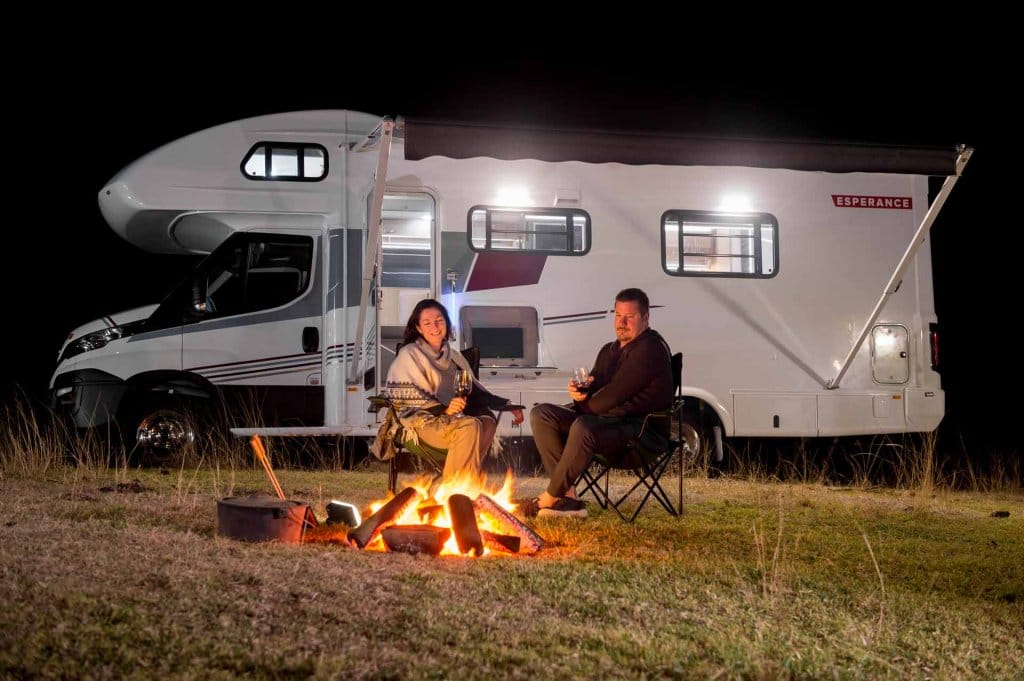

Managing finances on a remote 4WD trip takes planning — and a few strategies most travellers only learn the hard way.
Here’s what experienced road-trippers actually do to keep their cash flow sorted from the Gibb River Road to Cape York.
Carrying cash for remote fuel stops
Cash is still king in remote Australia. Many outback roadhouses and station stores don’t accept card payments reliably, and some operate entirely on cash or EFTPOS only — no credit cards accepted. Carrying a dedicated cash float of at least A$300–500 before leaving major towns is a practical baseline for most remote trips.
Unmanned fuel stations can also be 5–10 cents per litre cheaper than staffed roadhouses, making them worth seeking out. Fuel apps and community forums help travellers identify these stops in advance. Slowing your speed on unsealed roads also reduces fuel consumption significantly, stretching your budget between fill-ups.
PayID and tap-to-pay at outback roadhouses
Mobile coverage is improving across regional Australia, but it remains patchy on major remote routes. Where coverage exists, tap-to-pay through Google Pay or Apple Pay is increasingly accepted at roadhouses and campgrounds — a genuine shift from even five years ago.
PayID transfers via mobile banking apps have also made splitting costs between travelling companions faster and simpler. It’s not unlike the broader shift toward instant digital transactions happening across different industries — even platforms offering fast casino withdrawals in the AU area have raised the bar for what users expect from real-time money movement. The takeaway for travellers: download your banking app offline content and cache your accounts before you lose signal.
Digital accounts built for life on the road
Fee-free transaction accounts with no international or ATM withdrawal fees are worth setting up before departure. Banks like Up, ING, or Macquarie offer accounts that reimburse ATM fees Australia-wide, which matters when the only ATM is at a remote roadhouse charging A$3.50 per transaction.
Setting up automatic bill payments and direct debits before leaving home prevents missed payments while you’re off-grid for weeks at a time. According to Money Magazine’s grey nomads guide, pre-trip financial organisation is one of the most commonly overlooked aspects of long-term travel planning. Getting this sorted weeks before departure — not the night before — makes a real difference.
When quick online transactions actually matter
Gear breakdowns happen. A snapped recovery strap or a failed water pump can mean urgently ordering parts for delivery to the nearest town’s Australia Post outlet. In these moments, fast online payment processing matters — delays in checkout or payment processing add stress to an already difficult situation.
Some long-term travellers also rent out their homes before departure to generate an income buffer for exactly these scenarios. Having a linked savings account with a reasonable emergency fund — ideally covering two weeks of running costs — provides breathing room when unexpected expenses hit in the middle of nowhere.
Budgeting fuel, camp fees and gear costs for Remote 4WD travel
Realistic budgeting starts before the wheels roll. Experienced travellers often reference a working figure of around A$600 per week for a couple doing a full Australian circuit, covering fuel, groceries, and accommodation — though this varies considerably based on route and travel style.
Free camping using apps like WikiCamps helps stretch the budget significantly, with many sites offering 72-hour stays at no cost. Combining free sites with occasional paid campgrounds — particularly during shoulder season when fees drop — keeps accommodation costs manageable without sacrificing comfort. Weekly meal planning and stocking up on non-perishables at major supermarkets before remote stretches rounds out a budget that’s genuinely sustainable for months on the road.