

Wheels for Outback Touring – Anyone who has driven a few hundred kilometres of corrugated road knows that it tests every component of a vehicle, and wheels are no exception.
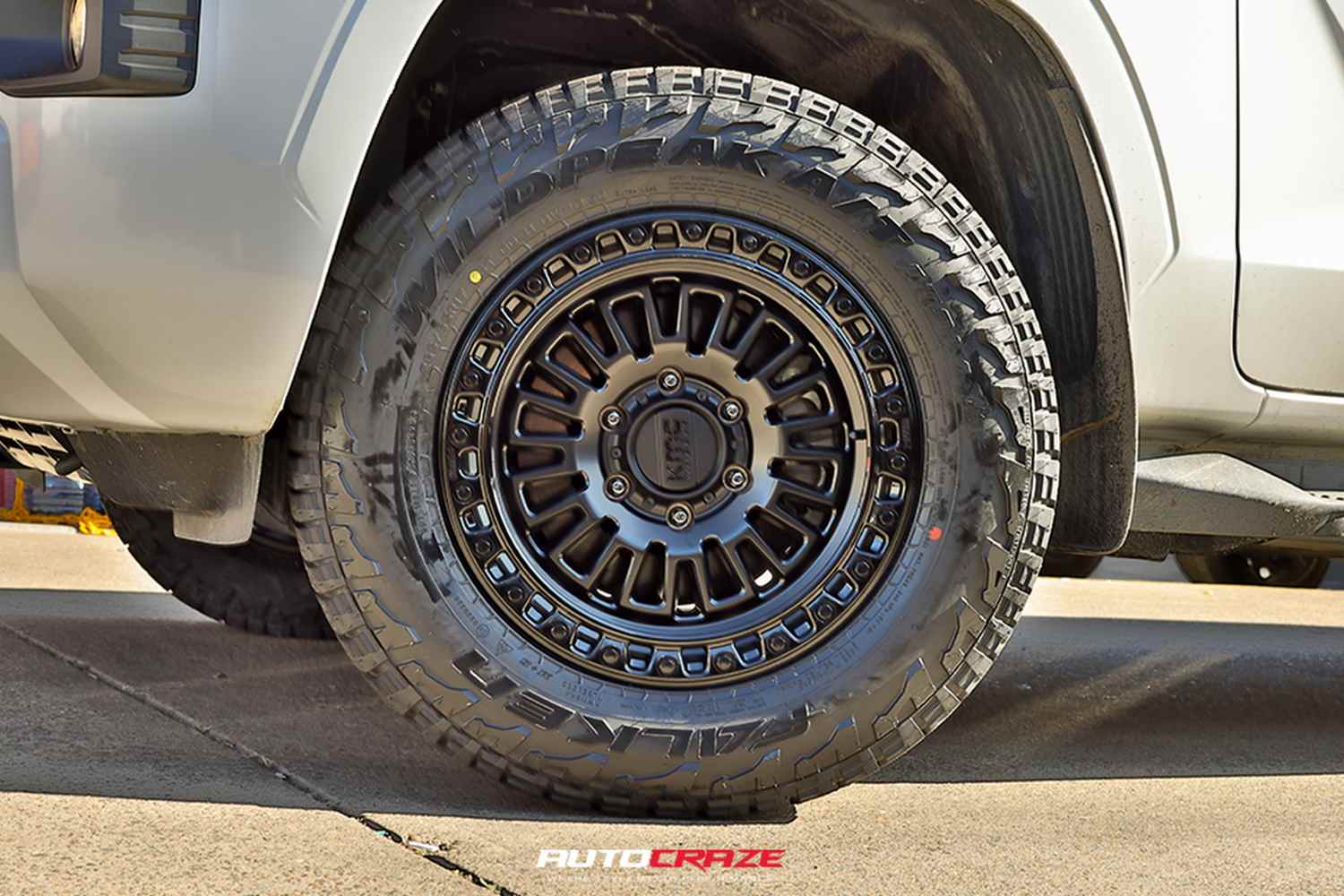

A set that behaves perfectly around town can start to show problems once it spends days under a loaded touring rig on rough tracks. For travellers planning a long outback trip, choosing wheels is as much a reliability decision as a styling one.
Why Corrugations and Rocks Punish Wheels
The washboard ridges that form on unsealed roads send a constant, high-frequency vibration through the tyre, wheel, hub, and suspension. Over a long trip, that repeated loading can fatigue weaker wheels, loosen wheel nuts, and exaggerate any small defect that was already present. Rocks add a different kind of stress: sharp impacts on the rim lip and sidewall that can bend a wheel or break a tyre bead seal in an instant.
This is the reason experienced travellers favour wheels built with a heavier, more robust construction rather than the lightest option available. A few extra kilograms of wheel weight is a small price when the nearest repairer is a long way away. The Australian outback, described in detail on Wikipedia, covers vast areas where help can be many hours or even days away, and that distance changes how much margin a driver wants in the equipment they depend on.
Load Rating and the Weight of a Touring Rig
A fully equipped touring vehicle is heavy. Water, fuel, recovery gear, a fridge, camping equipment, and sometimes a camper trailer all add up. And every kilogram ends up supported by four wheels. The wheel’s load rating needs to meet or exceed what each axle carries when the vehicle is fully loaded. With a sensible margin for the dynamic loads that come from bouncing over rough terrain.
Towing adds another layer. A camper trailer or caravan shifts weight onto the rear axle and creates sideways loads through the wheels whenever the combination turns or sways. Buyers should check the rating printed on the wheel itself and compare it against the vehicle’s compliance plate. Rather than relying on a general claim that a wheel is suitable for four-wheel driving.
Where Brands Like KMC Fit In
Wheels designed specifically for trucks and four-wheel drives tend to prioritise strength and tyre clearance over pure weight savings. Among them, kmc wheels are a popular choice. For owners wanting an aggressive, off-road look combined with construction intended for utility vehicles. And the range available through Australian retailers includes sizes and bolt patterns that suit common touring platforms.
One detail worth understanding is the difference between a true bead-lock wheel and a wheel that only has a bead-lock style ring for appearance. Many popular designs use the second approach. Which looks rugged but does not mechanically clamp the tyre. That is perfectly acceptable for most touring, Though owners who plan to run very low tyre pressures for sand driving should read the product description carefully so they know exactly what the wheel does and does not do.
Spare Wheels, Tyre Pressures, and Fitment
A spare that does not match the other four wheels is an easy way to create a problem on the road. Whenever a touring vehicle gets a new set of wheels. The spare should match in diameter, width, and tyre size, so that it can be swapped into any position without upsetting the vehicle or its drivetrain. Carrying a second spare is common on very remote routes, and the same rule applies to both.
Tyre pressure is the cheapest tool for protecting wheels on rough surfaces. Lower pressures let the tyre absorb corrugations and reduce the shock transmitted to the rim. But pressure must be raised again before returning to sealed roads at speed. A reliable compressor and gauge are as essential as any recovery equipment.
Wheel nuts should be re-torqued after the first stretch of rough driving. Because vibration and the settling of the wheel against the hub can reduce clamp load. At each fuel stop or camp, a quick look for cracks around the nuts and spokes can catch a problem before it becomes a breakdown. Travellers planning a major trip can also find broader route and conditions information. Through the official Tourism Australia site, which helps in preparing for the distances involved.
Treating wheels as a key part of the touring setup, rather than an afterthought. Pays off the first time a long gravel stretch ends with nothing worse than a dusty vehicle and a story to tell.