

Every serious tourer eventually faces the same question in the shed: do we take the current rig one more season, or selling it and step into something better suited to the trips ahead? It is not a small decision.
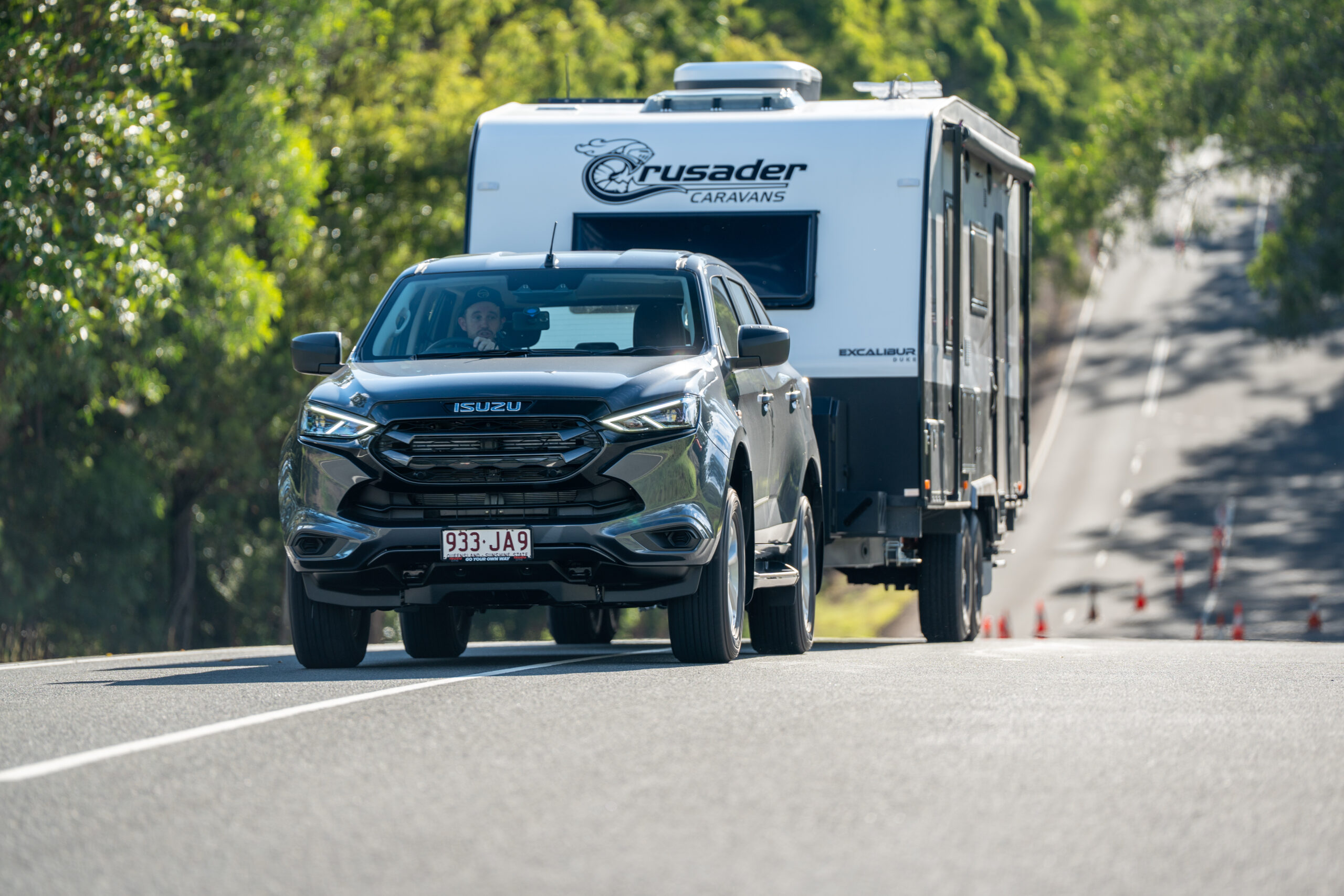

A touring four-wheel drive is part vehicle, part home, and it carries a value that goes well beyond the odometer. Getting the sale right, and the timing, can fund a big slice of the next setup. Here is how to approach it before you point the bonnet north again.
Why Sell Or Upgrade Before A Big Trip
The instinct is often to do the big trip first and sell afterwards, but the maths usually points the other way. A long touring trip adds hard kilometres, stone chips, interior wear and corrugation fatigue, all of which come straight off the resale value. Selling a rig with 140,000km on it is a very different conversation to selling the same rig at 165,000km after a lap of the Kimberley. If you already know this vehicle is not the one for the next chapter, moving it on before the trip protects the value you have.
There is also the matter of suitability. Needs change. A couple who toured in a dual cab and rooftop tent might now want a wagon with a proper fit-out, or the payload to tow a van. Buying the right platform before the trip, rather than making do and wishing you had upgraded, means the trip itself is better and you are not selling a compromise later. Timing the sale for the shoulder before peak touring season, when buyers are actively planning, tends to get you a stronger price than offloading mid-summer when demand cools.
What A Touring Rig Is Worth
Touring four-wheel drives are among the best value-holders in the Australian market, which is good news when you sell. Reliable, capable platforms like the Toyota LandCruiser and Prado, the HiLux and well-kept Patrols keep strong money because demand for them never really softens. A LandCruiser can hold more than 70 per cent of its value after eight years, and a tidy diesel with a full service history is judged far more kindly than kilometres alone would suggest.
The value of a touring rig specifically splits into the vehicle and the fit-out. The base vehicle is valued the usual way, on make, model, kilometres and condition, with roughly a four per cent reduction for every 10,000km over the average for its age. The accessories are a separate story. Quality, well-installed gear such as a reputable bull bar, a dual-battery system, drawers, a long-range tank and good all-terrains broadens your buyer pool and helps the rig sell, but you rarely recover the full build cost. Keep the receipts and fitment details for the good equipment, because documentation is what turns a sceptical buyer into a confident one.
Getting The Rig Ready To Sell
Presentation matters more on a touring vehicle than almost anything else, because buyers are looking for signs it has been cared for rather than flogged. Give it a thorough clean, underneath included, and deal with the small stuff that reads as neglect: a cracked indicator lens, a torn seat bolster, a tailgate strut that no longer holds. Service it if a minor service is due and the cost is modest, and gather the logbook, both sets of keys and the paperwork for recent work like tyres, a timing belt or a clutch.
Be honest in the listing about where the rig has been and what it has done. Tourers buy from people who understand the lifestyle, and a frank account of the vehicle’s history builds far more trust than a glossy ad that hides the kilometres. Photograph the fit-out properly, because the dual battery setup, the drawers and the suspension are a big part of what a buyer is paying for, and a vague listing leaves money on the table.
Choosing How To Sell
You have three ways to sell, and each suits a different seller. A private sale through the touring community and the usual marketplaces can get the best price, because you reach buyers who value the build, but it takes time and patience and you will field plenty of questions. A dealer trade-in is the easy path if you are buying your next rig from a yard, though it tends to value accessories close to standard, so you give up some of the fit-out value.
The middle road is an instant car-buying service. Which suits owners who want the thing sold cleanly before the clock runs down on their trip planning. The better operators buy any make, model or condition, including high-kilometre diesels and rigs with finance still owing. And they come to you. In Perth, for example, there are licensed WA dealers who will assess a touring vehicle. Handle the transfer paperwork and pay on the spot by bank transfer. If your priority is to sellmycarpro.com.au or a service like it and have the rig gone in an afternoon rather than drawn out over weeks. That certainty is worth a lot when a departure date is looming. Whichever way you choose to sell my car or the old rig. Be upfront about the kilometres and the mods, because touring buyers know exactly what they are looking at.
The Paperwork To Sort Before You Go
With a departure date looming, the last thing you want is paperwork hanging over a half-finished sale. So sort it as part of the deal rather than leaving loose ends. In Western Australia, the seller’s key job is lodging a notice of disposal with the Department of Transport promptly. So you are not held responsible for the rig, including any infringements, once it has left your hands. It is a short step that protects you entirely. And skipping it is how sellers end up chasing fines for a vehicle they no longer own.
The buyer then has 14 days to transfer the licence into their name, and they cover the transfer fee and vehicle licence duty, not you. If the rig still has finance owing, which is common on a newer touring vehicle. The loan has to be paid out as part of the sale, and the buyer will run a PPSR check to confirm the vehicle is clear before money changes hands. Keep a record of the sale details, the date, the price, the odometer reading and the buyer’s information, in case any question comes up later.
This is the kind of admin that is easy to put off and awkward to finish when you are busy prepping for a trip. A direct-sale service takes it off your plate. A licensed WA dealer such as Sell My Car Pro will handle the disposal notice, the transfer and any finance payout. So the rig is genuinely sorted before you point the bonnet at the horizon. Rather than still tangled in forms while you are three states away.
Frequently Asked Questions
These are the questions tourers ask most when it is time to sell the rig and step up to the next one.
Should I Sell My Touring 4WD Before Or After A Big Trip?
Before, in most cases. A long trip adds hard kilometres and wear that come straight off the resale value. So selling beforehand protects what the vehicle is worth. The exception is if the current rig is genuinely the right one for the trip and you plan to keep it afterwards anyway.
Do Touring Accessories Add To The Sale Price?
Quality, well-installed gear from reputable brands helps the rig sell and widens your buyer pool. But you rarely recoup the full cost of the fit-out. Keep receipts and fitment details for the good equipment. And treat the accessories as something that makes the vehicle easier to sell rather than a full return on your spend.
What Is The Fastest Way To Sell A 4WD Before A Departure Date?
An instant car-buying service or a licensed dealer is fastest. Often done in a day, which matters when a trip is booked. You may give up a little against a perfectly run private sale. But you gain certainty and avoid the risk of the rig still sitting unsold the week you planned to leave.
The Bottom Line
Selling a touring four-wheel drive well is about protecting value. Move it on before a big trip piles on kilometres, time the sale for when buyers are planning their own adventures. Present and document it honestly, and pick the channel that matches whether you want top price. Or a clean, fast exit. Do that, and the old rig funds a proper slice of the next one, ready for the roads ahead.