

GVM Upgrades – Australia is built for adventure. Every year, thousands of families hitch up a caravan, pack the four-wheel drive and head off to explore everything from the Victorian High Country to Cape York, the Kimberley and beyond.
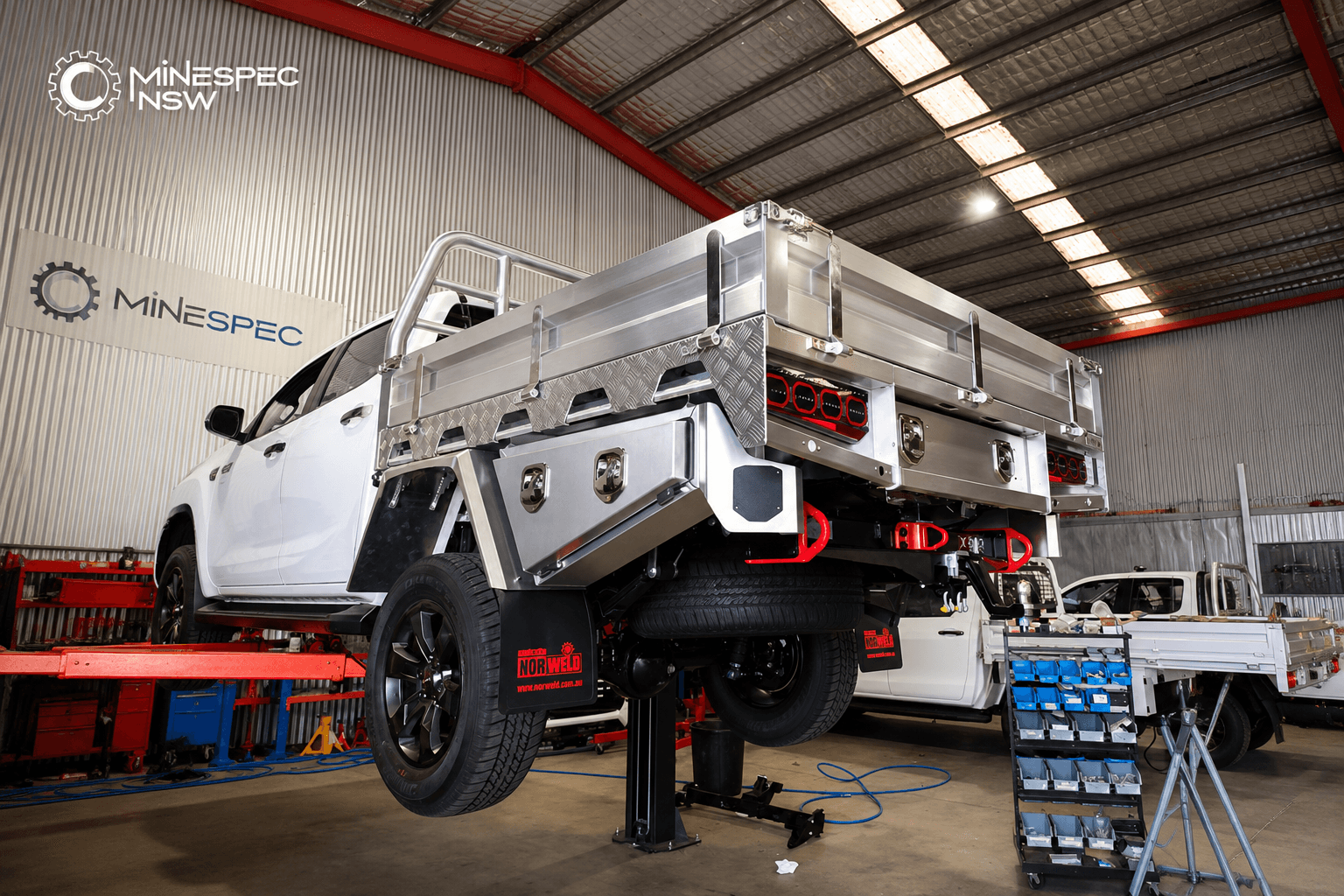

Before the journey begins, most vehicles receive a long list of upgrades. Bull bars, winches, canopies, roof racks, long-range fuel tanks, dual battery systems and camping gear all add weight. Add a caravan, passengers, food and water, and many vehicles unknowingly exceed their legal weight limits.
Understanding Gross Vehicle Mass (GVM)
Understanding Gross Vehicle Mass (GVM) is one of the most important steps in preparing for safe and compliant travel.
What Is Gross Vehicle Mass (GVM)?
Gross Vehicle Mass (GVM) is the maximum legal weight your vehicle can weigh when fully loaded. It includes the vehicle itself plus passengers, fuel, water, accessories, recovery gear, luggage and tow ball download from a caravan or trailer.
Many owners are surprised how quickly available payload disappears once common touring accessories are installed.
| GVM | Your real travel weight includes more than the vehicle itself.
Passengers, accessories, fuel, water, luggage, recovery gear and tow ball download all count towards the vehicle’s legal mass. |
Why Touring Vehicles Become Overweight
A typical touring setup can include a steel bull bar, winch, canopy, roof rack, dual battery, long-range fuel tank, fridge, drawer system, recovery gear and a caravan. Individually these items don’t seem excessive, but together they can easily exceed the manufacturer’s intended carrying capacity.
Why Staying Within Your GVM Matters
Operating an overloaded vehicle can reduce braking performance, increase tyre and suspension wear, affect steering response and reduce towing stability. It may also create insurance or legal complications following an accident.
How Do You Know If Your Vehicle Is Overloaded?
The only reliable way is to have the vehicle professionally weighed exactly as it will travel, including passengers, fuel, water, accessories, luggage and the attached caravan. This gives an accurate picture of the vehicle’s operating weight.
What Is a GVM Upgrade?
A GVM upgrade is an approved modification that increases the legal carrying capacity of an eligible vehicle. It typically involves engineered suspension components developed and approved for specific vehicle models.
Learn more: MineSpec NSW GVM upgrades
A proper GVM upgrade is more than fitting heavier springs.
The components must be approved for the specific vehicle and installed correctly. Certification and registration updates may also be required, depending on when the upgrade is completed and the applicable rules.
The vehicle should be assessed around how it will actually be used, including accessories, passengers and towing load.
Pre-Registration vs Post-Registration GVM Upgrades
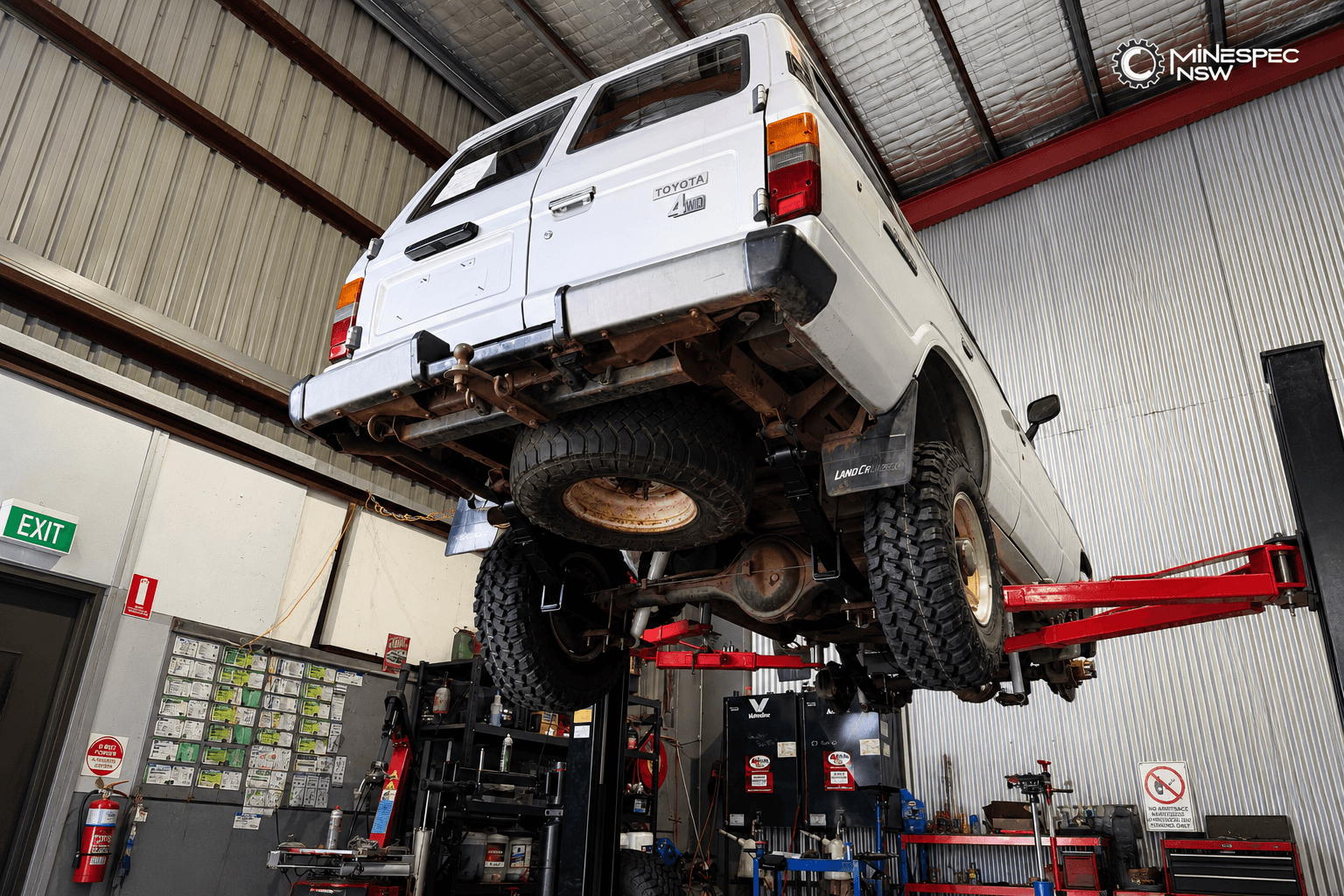
Pre-registration upgrades are completed before a new vehicle is first registered and can offer additional upgrade options. Post-registration upgrades are available for many popular 4WDs and require approved components, professional installation and certification where applicable.
GVM UPGRADES: A PRACTICAL GUIDE
Does a GVM Upgrade Increase Towing Capacity?
One of the most common misconceptions is that a GVM upgrade automatically increases a vehicle’s towing capacity. It does not.
| NO | A GVM upgrade does not automatically increase towing capacity.
GCM, braked towing capacity, axle limits, tow ball download and tyre ratings still apply. |
A GVM upgrade increases the legal carrying capacity of an eligible vehicle, but the manufacturer’s other limits still apply. These can include Gross Combined Mass (GCM), maximum braked towing capacity, front and rear axle capacities, tow ball download and tyre load ratings.
That means a vehicle can be within its upgraded GVM and still exceed another legal limit. The whole towing combination needs to be considered, rather than focusing on a single number.
A GVM upgrade should never be treated as a one-size-fits-all modification. Every vehicle, touring setup and towing combination is different, so an experienced workshop should assess how the vehicle is actually used before recommending an upgrade.
Who Should Consider a GVM Upgrade?
A GVM upgrade is not necessary for every vehicle, but it can be worthwhile for owners who regularly carry heavy accessories, passengers or equipment.
It may be relevant if your setup includes a caravan or camper trailer, steel bull bar, winch, long-range fuel tank, dual battery system, canopy, service body, roof rack, rooftop tent, recovery equipment, trade tools, water tanks or a full load of passengers and luggage.
Many work vehicles also perform double duty. They carry tools and equipment during the week, then tow a caravan or head away fully loaded on weekends. When a vehicle spends much of its life close to its weight limits, it is worth having the full setup weighed and professionally assessed.
COMMON LOADS THAT CAN QUICKLY USE AVAILABLE PAYLOAD |
|
| • Caravans and camper trailers with significant tow ball download | • Bull bars, winches, canopies and service bodies |
| • Long-range tanks, dual batteries and roof-mounted equipment | • Recovery gear, tools, water, passengers and luggage |
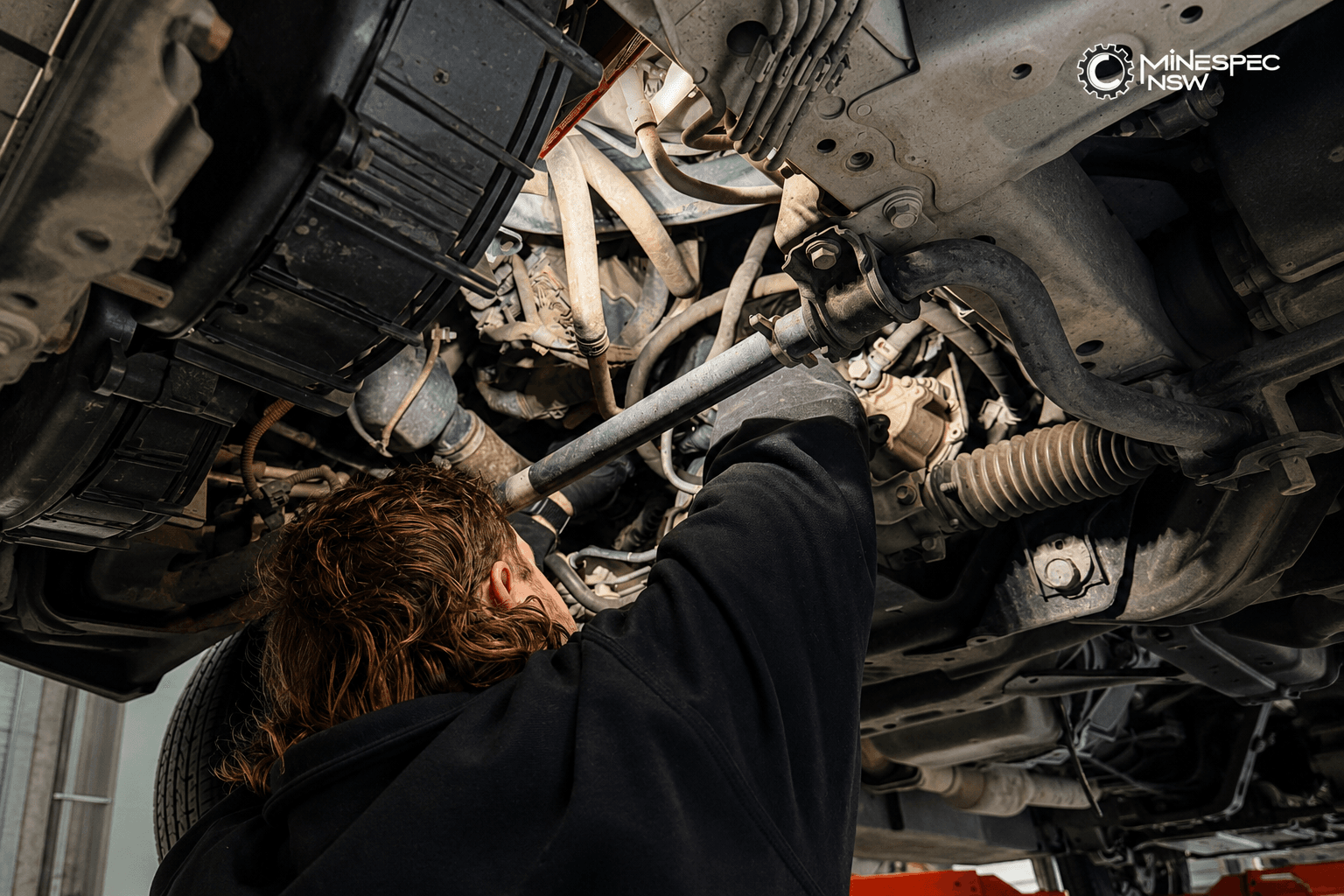
Not every suspension upgrade is a legal GVM upgrade.
- What approved upgrade is available for this vehicle?
- What will the new legal GVM be?
- Which components are included?
- Is certification required?
- Do registration details need to be updated?
- How does the upgrade interact with towing and axle limits?
For Hunter Valley vehicle owners, MineSpec NSW provides approved GVM upgrade solutions from its Rutherford workshop. Learn more: MineSpec NSW GVM upgrades
Preparing Before Your Next Trip
Few things spoil a trip faster than a preventable vehicle problem. Before heading away, weigh the vehicle and caravan in their normal travelling configuration, including passengers, fuel, water, food, luggage and recovery equipment.
Check the vehicle’s tyre condition and pressures, suspension, lights, electrical connections and load security. Confirm the caravan’s weight and tow ball download, and make sure heavy items are stored safely and distributed sensibly.
Whenever you add new accessories or substantially change your touring setup, weigh the combination again. The extra certainty is well worth it before a long highway run or remote-area trip.
TOURING PREPARATION CHECKLIST
Before You Leave the Driveway
| • Confirm vehicle and caravan weights | • Measure tow ball download |
| • Inspect tyre condition and pressures | • Check suspension, lights and electrical connections |
| • Secure all loads and recovery equipment | • Reweigh after adding new accessories |
Final Thoughts
Australia offers some of the best touring destinations in the world, but safe travel begins before you leave the driveway.
Bull bars, canopies, fuel, water, passengers, luggage and tow ball download all count towards Gross Vehicle Mass. Because those additions accumulate gradually, it is surprisingly easy to exceed the vehicle’s legal limit without realising it.
For an eligible vehicle, a professionally installed and certified GVM upgrade can provide additional legal carrying capacity and help the vehicle better suit its intended use. It still needs to be combined with sensible loading, regular maintenance and an understanding of every applicable weight limit.
Whether you are towing a caravan around Australia, preparing for a family holiday or building a dependable work-and-touring vehicle, understanding your weights is one of the smartest investments you can make in safety, compliance and reliability.
| ABOUT THE AUTHOR
Caleb Walsh is the Director of MineSpec NSW, a family-owned automotive workshop based in Rutherford in the Hunter Valley. With more than 28 years of combined industry experience, the team provides GVM upgrades, mine spec vehicle fit-outs, fabrication, auto electrical and mechanical services for commercial operators and recreational 4WD owners. Visit MineSpec NSW: minespecnsw.com.au |