
Feeling like your home is running out of space does not always mean you need to move. In many cases, the issue is not the size of the home itself, but how the space is being used.
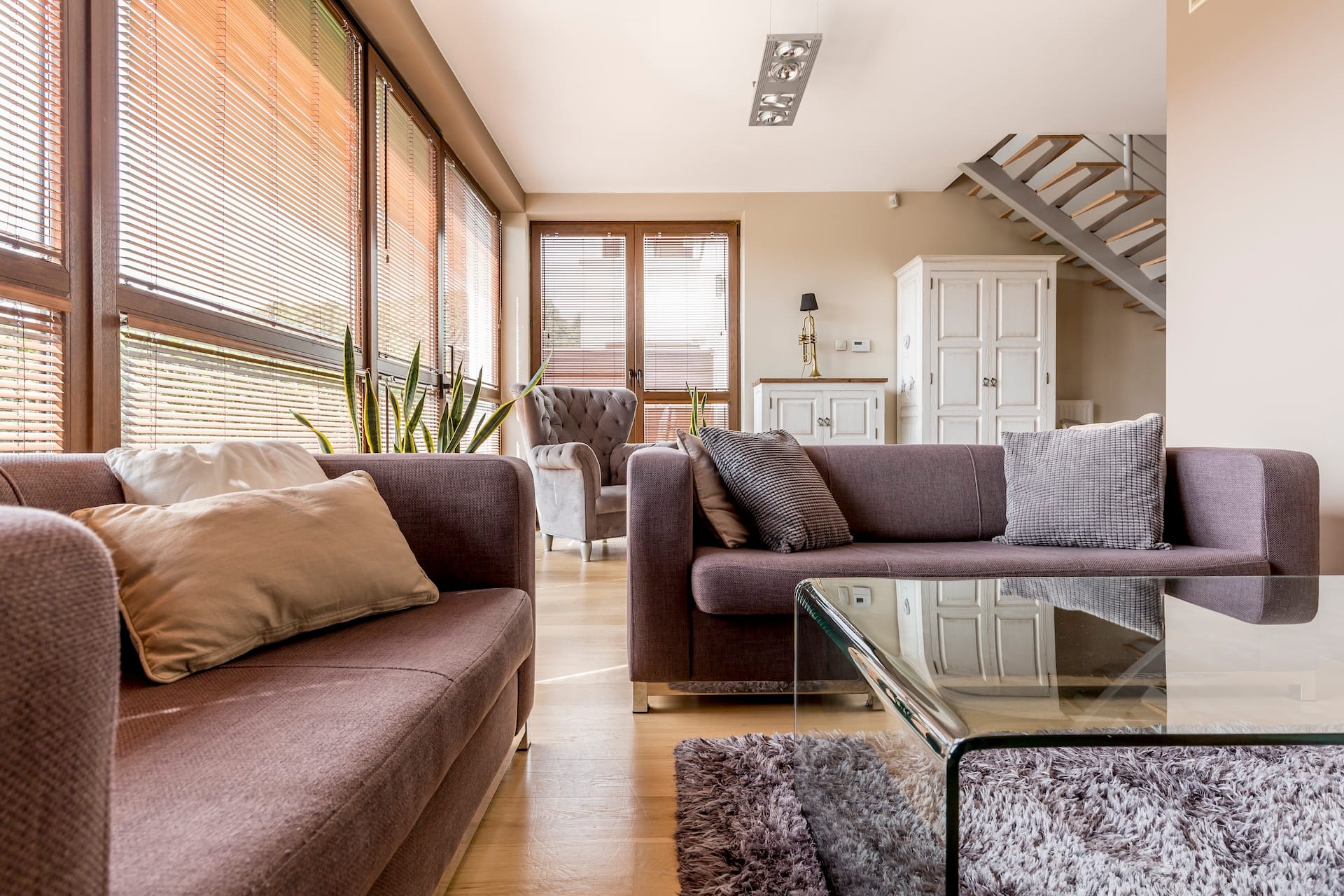
Over time, furniture, seasonal items, old paperwork, sports gear, baby items, tools and “just in case” belongings can slowly take over cupboards, garages, spare rooms and living areas.
Moving house is expensive, stressful and not always practical. The good news is there are smarter ways to create more room without packing up your life. From better storage habits to using Lock N Store storage units for items you do not need every day, a few simple changes can make your home feel bigger, calmer and easier to live in.
Here are some practical ways to reclaim space before deciding you need a bigger home.
Start with the Spaces That Annoy You Most
When a whole house feels cluttered, it can be hard to know where to begin. Instead of trying to fix every room at once, start with the areas that cause the most frustration.
This might be the garage you can no longer park in, the spare room that has become a dumping ground, the hallway cupboard that spills out every time you open it, or the laundry bench that is always covered in random items.
Tackling one problem area first gives you a quick win. It also helps you understand what kind of clutter you are dealing with. Some items may need to be thrown out, donated or sold. Others may simply need a better place to live.
Declutter Before You Buy More Storage
Buying storage tubs, shelves and baskets can feel productive, but it is better to declutter first. Otherwise, you may simply end up organising things you do not actually need.
Go through items honestly and ask whether they are useful, loved or likely to be needed again. If something has been sitting untouched for years, it may be time to let it go.
This does not mean you need to become extreme or throw away everything sentimental. It just means making space for the things that matter now. A home feels much larger when it is not filled with items from a stage of life you have already moved on from.
Use Vertical Space
Many homes have more storage potential than people realise. Walls, tall cupboards, garage shelving and overhead spaces can all help you store items without taking up extra floor area.
In the garage, sturdy wall-mounted shelves or ceiling storage racks can be useful for camping gear, Christmas decorations, tools or sports equipment. Inside the home, tall bookcases, hooks, wall rails and built-in cabinetry can make better use of unused wall space.
The aim is to lift items off the floor and create clearer surfaces. When floors and benches are open, the whole home feels more spacious.
Rethink the Spare Room
A spare room can be useful, but it often becomes a storage zone for everything that does not have a proper place. If the room is only used by guests a few times a year, it may be worth rethinking how it functions.
A sofa bed, wall bed or daybed can free up space while still allowing the room to work for visitors. Built-in wardrobes, under-bed drawers or a compact desk can help the room serve more than one purpose.
The goal is to make the spare room usable, not just technically available. A room full of boxes is not really a guest room, home office or hobby space. It is just storage with a door.
Make Better Use of Under-Bed Storage
Under-bed storage is one of the easiest ways to create more space, especially in bedrooms with limited cupboards. It can work well for spare linen, seasonal clothes, shoes, keepsakes or items that are used occasionally.
Choose low, clear containers or drawers that are easy to access. If the items are hard to reach, they are more likely to be forgotten.
This is a simple option for families, renters and anyone who cannot install built-in storage. It keeps items out of sight without taking up extra room.
Rotate Seasonal Items
A lot of household clutter comes from items that are only used part of the year. Winter blankets, summer fans, Christmas decorations, camping gear, beach equipment, sports gear and holiday luggage can take up a surprising amount of space.
Instead of keeping everything within easy reach all year, create a seasonal rotation. Keep current items accessible and move off-season items to higher shelves, garage storage or a secure storage unit.
This makes everyday cupboards easier to use because they only hold what you actually need right now.
Use Storage Units for Items You Want to Keep but Do Not Need Daily
Some items are worth keeping, but they do not need to take up valuable space at home. This is where storage units can be a practical option.
A storage unit can be useful for furniture you are saving, business stock, archived documents, tools, sporting equipment, seasonal items, family keepsakes or belongings you need during a renovation. It gives you extra space without the cost and disruption of moving house.
The key is to use storage thoughtfully. A storage unit should not become a place where forgotten clutter goes forever. It works best when you know what is inside, label everything clearly and store items in a way that makes them easy to access.
Create Zones in the Garage
The garage is often one of the most underused spaces in the home. It may be large enough for a car, tools and storage, but without structure it quickly becomes chaotic.
Creating zones can help. You might have one area for tools, one for sports gear, one for gardening equipment and one for seasonal storage. Use shelving, hooks, labelled tubs and wall-mounted systems to keep everything off the floor where possible.
If you can walk through the garage easily and find what you need without moving five other things first, the space is working properly.
Choose Furniture That Works Harder
Furniture can either help or hurt your space problem. Large pieces with no storage can make a room feel crowded, while smart furniture can quietly create extra room.
Consider beds with drawers, ottomans with hidden storage, coffee tables with shelves, dining benches with lift-up lids or modular furniture that can be rearranged as needed.
This is especially useful in smaller homes, apartments and townhouses where every square metre matters.
Be Honest About Sentimental Items
Sentimental clutter is often the hardest to deal with. It might be children’s artwork, old furniture, inherited items, photos, baby clothes or family keepsakes.
You do not need to get rid of everything meaningful. But it helps to choose what genuinely matters and store it properly. A few carefully kept boxes are easier to value than an entire room filled with unorganised memories.
Take photos of bulky items if the memory matters more than the object itself. Keep the best examples rather than every version. This allows you to honour the memory without sacrificing your living space.
Think Before Moving House
If your home feels too small, moving may eventually be the right decision. But before taking that step, it is worth seeing how much space you can create through decluttering, better organisation and smarter storage.
Moving comes with major costs, including agent fees, stamp duty, removalists, new furniture, utility connections and time off work. In many cases, improving how your current home functions is much cheaper and less stressful.
A clearer, better-organised home can feel surprisingly different.
Make Your Home Feel Bigger Without Moving
Creating more space does not always require a renovation or a bigger house. Sometimes it starts with clearing out what you no longer need, using storage more intelligently and moving rarely used items out of the way.
By decluttering, using vertical space, improving garage organisation, choosing smarter furniture and using storage units where appropriate, you can make your home feel more open and easier to live in.
The smartest approach is not about getting rid of everything. It is about making room for the life you are actually living now. When every item has a sensible place, your home can feel calmer, more functional and much bigger than it did before.