
Window Tint – Ceramic tint is often worth considering when heat rejection is your main priority. A quality dyed film can suit drivers focused on appearance, privacy and budget. Compare the specifications of the actual products, because darkness and price alone do not tell you how well a tint performs.
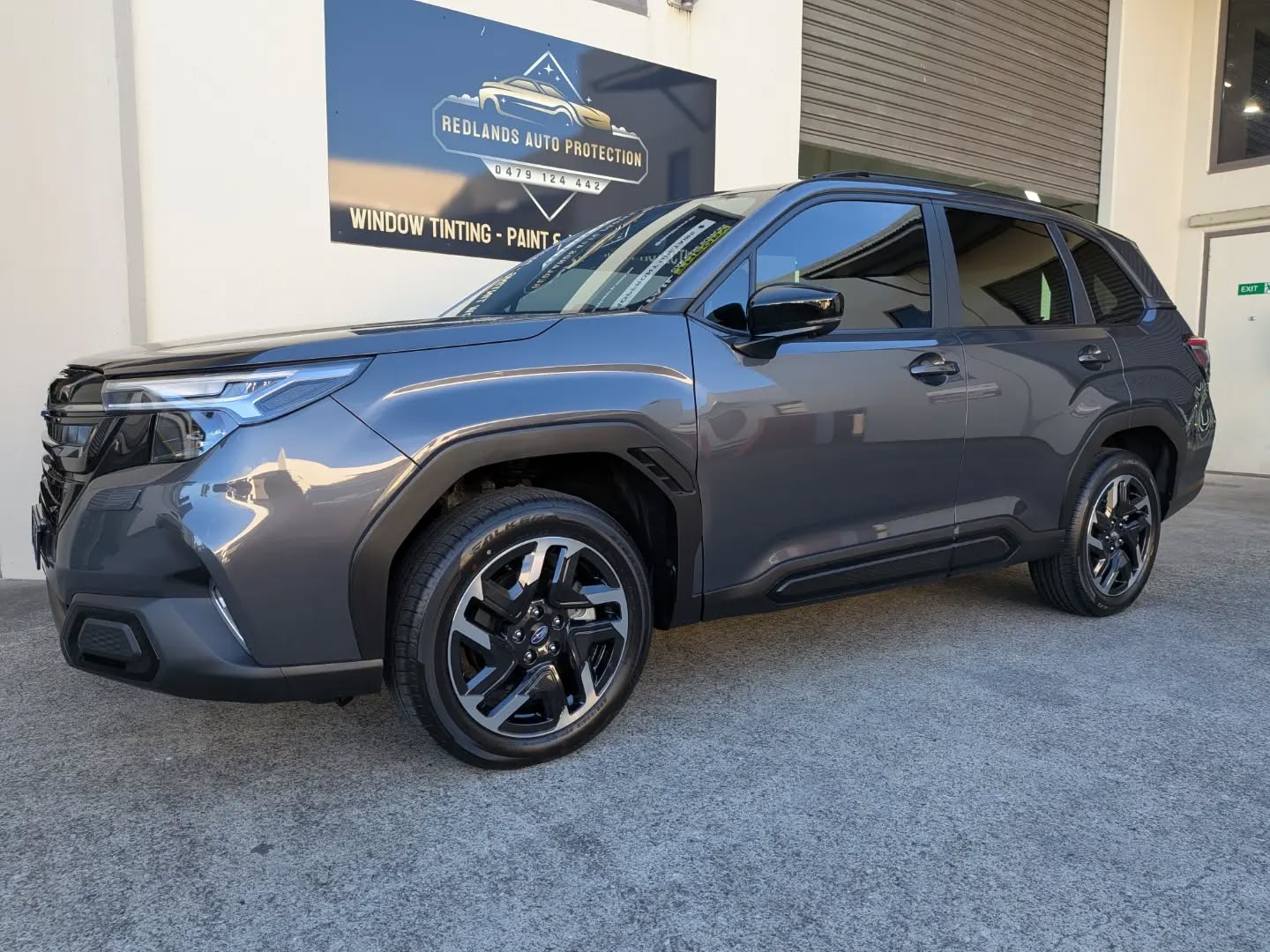
Two cars can have windows that look almost identical, yet feel quite different when sunlight hits the cabin. The difference can come down to the film on the glass.
When comparing car window tinting options, looking beyond the shade helps you understand what you are paying for. Film construction, solar performance and installation quality all deserve attention.
Here is how ceramic and regular tint compare, and what to ask before booking an installation.
What is regular window tint?
“Regular tint” is a loose description rather than a technical product category. An installer might use it to describe an entry-level dyed film, while another could mean a different conventional product.
Dyed film uses colour to darken the glass and change the vehicle’s appearance. Quality products can offer glare reduction, privacy and UV protection, although their performance varies.
Metallised tint is another option. It incorporates a metallic layer to help control solar energy and can have a more reflective appearance.
The distinction matters: a quote that simply says “standard tint” leaves you without enough information to compare it properly. Ask for the manufacturer and product range. LLumar’s automotive film guide illustrates how dyed, metallised and ceramic constructions differ. LLumar
What is ceramic window tint?
Ceramic window tint uses ceramic technology to help manage solar heat. Many ceramic products are designed to reject infrared energy while maintaining a relatively light appearance.
Metal-free ceramic films also avoid the potential signal interference associated with some metallic constructions. However, metal-free dyed films exist too, so connectivity is not an advantage exclusive to ceramic tint. 3M Australia
The word “ceramic” is a useful starting point, but the product’s published specifications should guide your decision.
Does darker tint keep a car cooler?
Darkness alone is an unreliable way to judge heat rejection.
Two measurements help explain why:
- Visible light transmission, or VLT: how much visible light passes through the filmed glass. A lower percentage means a darker result.
- Total solar energy rejected, or TSER: how much total solar energy the filmed glass rejects. A higher percentage indicates greater solar heat rejection under the stated test conditions.
The lighter option admits substantially more visible light while still rejecting a significant share of solar energy. These are manufacturer test results for a specific film and glass combination, rather than guaranteed results for every vehicle. multimedia.3m.com
The useful lesson is to compare heat performance separately from appearance. Ask for figures measured on comparable glass under the same test method.
What about UV protection and durability?
Do not assume a film needs to be very dark to provide strong UV protection. Check the product’s UV specification separately from its VLT and heat rejection ratings.
Likewise, avoid assuming all dyed films will quickly turn purple or that every ceramic film will last indefinitely. Product quality and warranty conditions deserve closer attention than broad claims about film categories. Manufacturers offer colour-stable dyed products, and warranty coverage comes with specific conditions. LLumar
Keep your invoice and warranty details. Ask whether coverage includes discolouration, bubbling, peeling and replacement labour, and whether any conditions apply.
Installation and aftercare matter too
Ask who will install the film, how existing tint will be removed and when the vehicle will be ready to collect.
Before leaving, get written instructions covering when you can lower the windows, when cleaning can begin and which cleaning products are suitable. Follow the guidance for your specific film rather than a generic timetable.
If you notice an issue after installation, contact the installer before attempting to lift, press or repair the film yourself.
DIY vs professional car window tinting
A DIY tint kit may look appealing when comparing upfront costs, but the film is only part of the job. Preparation, handling and application all affect the finished result.
Professional installation is particularly worth considering when you are paying for a premium film. For example, 3M specifies professional application for its automotive window films rather than treating them as DIY products.
When weighing up your options, consider the full cost: film, tools, preparation time and potentially replacing material if the first attempt goes wrong. Also check whether the manufacturer’s warranty requires installation by an authorised professional.
Before booking, ask to see examples of the installer’s work and confirm what happens if an installation issue appears. A clear quote should explain both the product you are buying and the workmanship support included.
How to choose the right car window tint
Choose a film by matching its documented performance to your priorities. Heat rejection, visibility, appearance and price are separate considerations, so compare each one.
Have the installer confirm that the finished glass and film combination complies with the rules where your vehicle is registered. Consider your visibility needs during night driving as well as the look you prefer during daylight.
The most useful question to ask is: “What does this particular film give me for the price?” A clear answer should include the product name, performance figures, installation scope and warranty.

Be the first to comment