
Modular Lounges – Family movie nights, showing all the photos and videos of your recent trip, visiting guests and quiet evenings can place different demands on the same living room.
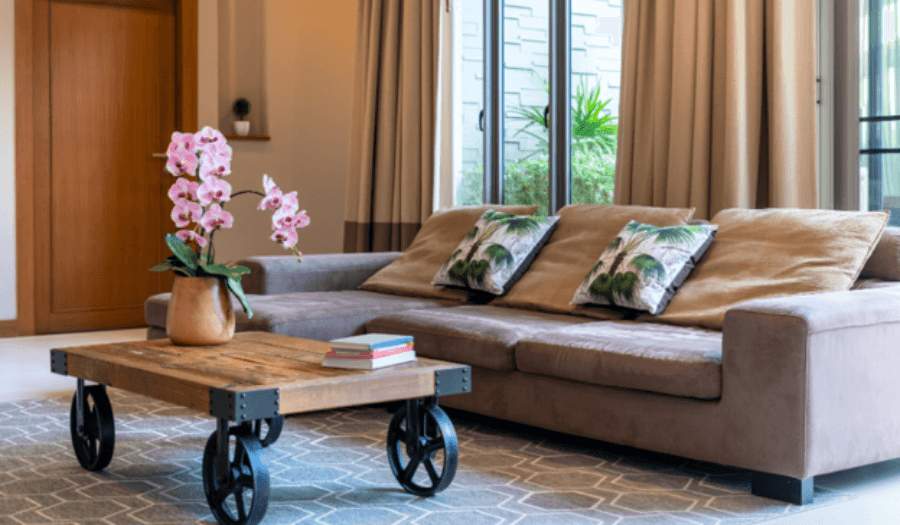
Fixed seating may suit one arrangement, but it offers limited freedom when the space needs to serve another purpose. For Midland homes that require a more adaptable layout, a modular lounges can be configured around the room, available floor area and changing household routines.
What Makes a Modular Lounge Flexible?
A modular lounge is made up of separate sections that can be arranged in different ways. Depending on the design, these may include corner pieces, armless seats, ottomans, chaise sections and other components.
The ability to move these pieces gives greater control over the layout. A lounge can be arranged as a corner setting for everyday use, separated into individual seating areas when guests arrive, or repositioned to make better use of available floor space.
Role of Modular Lounges in Creating a Flexible Living Room
Flexible Seating for Different Household Needs
A modular lounge can accommodate different seating preferences within the same room. A longer configuration may suit family gatherings, while a smaller arrangement can leave more open space for everyday activities.
Separate sections can also provide greater choice for people who prefer sitting upright, stretching out or having their own space.
Multiple Configuration Options
One of the main advantages of modular seating is the ability to change its arrangement. Sections can be moved to create an L-shaped lounge, a longer straight configuration or a more open layout, depending on the room.
This flexibility can be particularly useful when the living room layout changes over time.
Suitable for Different Room Sizes
Modular lounges are available in a range of sizes and configurations. Smaller combinations can suit compact living rooms, while larger arrangements can fill a spacious family area without relying on several separate sofas.
Measuring the room before choosing the lounge helps ensure there is enough space for seating as well as walking space.
Easy to Expand When More Seating Is Needed
Household needs can change. A growing family, regular visitors or a larger living space may create a need for additional seating.
Some modular lounge designs allow extra sections to be added later, making it possible to increase seating capacity without replacing the entire lounge.
Versatility for Open-Plan Living
Open-plan living rooms need furniture that defines different areas without restricting movement. A modular lounge can separate the living zone from dining or kitchen areas while keeping the space open. Its sections can also be rearranged to improve traffic flow or provide additional seating when needed.
Flexible Styles for Different Interior Schemes
Modular lounges are available in various upholstery colours, fabrics, shapes and finishes. This makes it easier to select a design that works with an existing interior or adapt the lounge when other furnishings change.
Neutral upholstery can provide a versatile foundation, while stronger colours or textured fabrics can create a more distinctive feature.
How to Choose a Modular Lounge for a Flexible Living Room
When choosing a modular lounge, consider how it will be used now and whether the living room may need to change in the future.
- Room dimensions: Measure the length and width of the room to determine what lounge size will fit comfortably.
- Available floor space: Leave enough room around the lounge for easy movement and access to other furniture.
- Number of people using the lounge: Choose enough seating for everyday use while allowing for occasional guests.
- Preferred configuration: Consider whether an L-shape, chaise, straight arrangement or another layout suits the room best.
- Upholstery and material: Choose a material that suits the household’s lifestyle, cleaning needs and existing interior.
- Traffic flow: Make sure the lounge does not block doorways, walkways or access to other areas.
- Future furniture changes: Consider whether the lounge can accommodate changes to the room or additional furniture later.
Styling a Modular Lounge for a Flexible Space
The surrounding furniture can also affect how adaptable the living room feels. Keep supporting pieces easy to move and avoid overcrowding the floor area.
- Coffee tables: Choose a size that provides a practical surface without making it difficult to move around the lounge.
- Floor rugs: A floor rug can help define the seating area and bring the lounge and other furniture together. Choose a size that works with different modular lounge configurations.
- Side tables: Lightweight side tables can be moved when the modular sections are rearranged and provide convenient surfaces beside individual seats.
- Armchairs: An armchair can add extra seating without permanently increasing the size of the main lounge. It can also be repositioned when the room layout changes.
Conclusion
A modular lounge can give a living room greater flexibility as household needs change. Its separate sections can be rearranged, expanded or repositioned to suit the available space, daily activities and changes in furniture.
Choosing the right size, configuration and upholstery is important, but the overall room layout also needs consideration. With thoughtful planning, modular seating can help create a living room that remains practical and comfortable as the way the space is used evolves.
Frequently Asked Questions
Can modular lounges be rearranged?
Yes. Modular lounges are made from separate sections that can often be repositioned into different configurations, depending on the design.
Are modular lounges suitable for open-plan living rooms?
Yes. Their flexible layouts can help define a living area while allowing clear movement between the lounge, dining and kitchen zones.
Can a modular lounge be expanded later?
Some modular lounges can be expanded by adding compatible sections. Check the available configurations and whether additional pieces can be purchased for the selected design.
Do modular lounges work in smaller living rooms?
Yes. Smaller modular combinations can suit compact spaces, provided the dimensions allow enough room for seating, movement and other essential furniture.
What factors should be considered when choosing a modular lounge?
Consider room dimensions, available floor space, household size, preferred configuration, upholstery, traffic flow and potential future changes to the living room.