
New vs Used 4WD – Most of us have the trip mapped out long before we give the car a thought. Where to camp, which track to take, how many days we can get off work. The 4WD is an afterthought, which is a bit silly when you consider it’s what decides how far you’ll actually get.
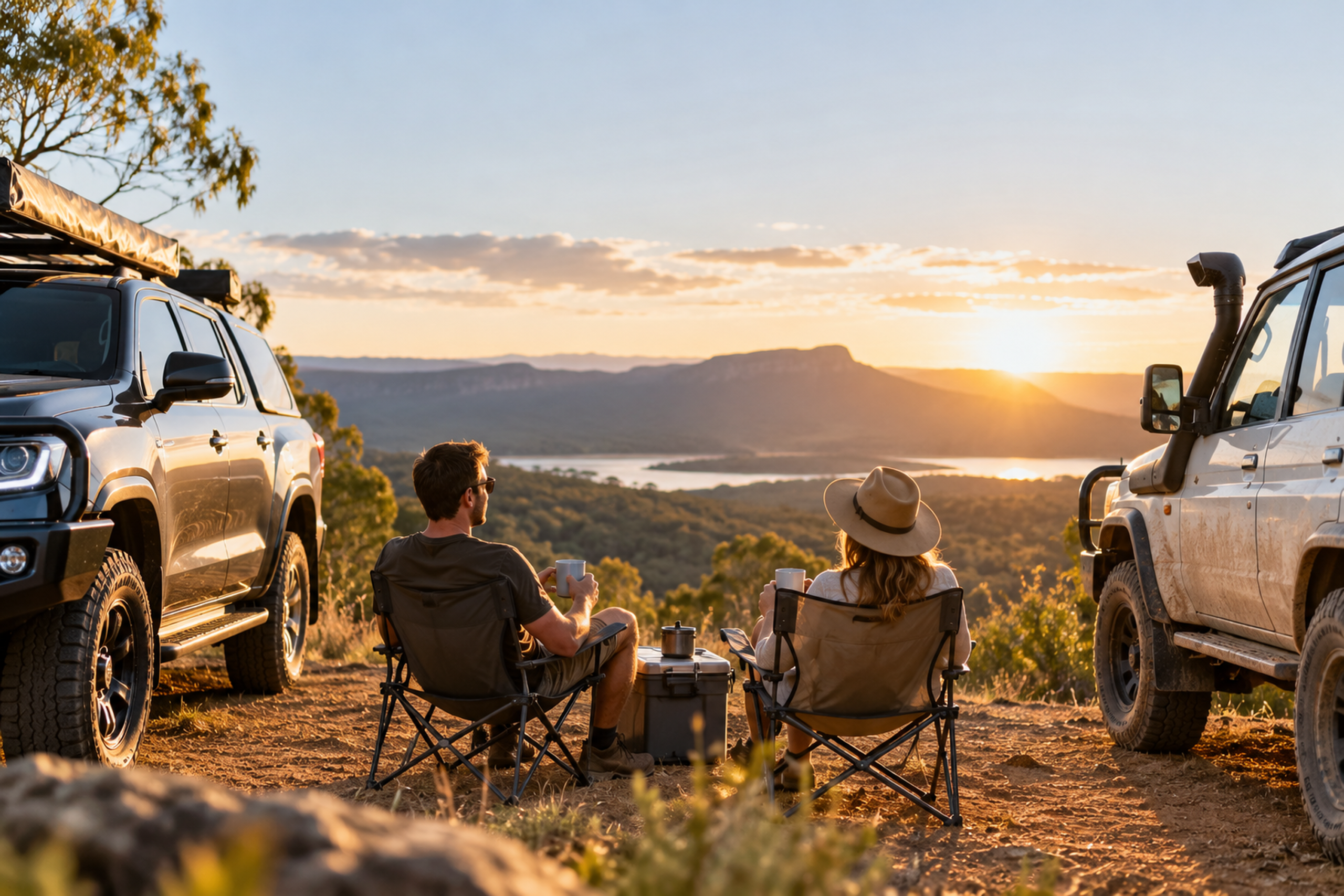
So, new or used? Honestly, it depends. Where you’re going, what you can spend and how much research you can be bothered doing all play a part. Let’s work through it.
First, What Is It Actually For?
Four weekends a year at a campground with a hot shower is one kind of use. Hauling a caravan around Australia for six months is something else altogether. Work out which one you’re buying for, because the answer changes everything that follows.
If it’s weekends away and the odd dirt road, a decent used one will usually do the trick. Racking up a lot of highway kays? Comfort and fuel economy start mattering, and so does how much gear you can fit in. Go remote and it’s a different game again. Ground clearance, tyres, recovery gear and the state of the mechanicals all count for a lot out there, since help is a long way off (and it won’t be cheap when it arrives).
Towing a van? Check the towing capacity, payload and gross combination mass (GCM) against the fully loaded rig, not the van sitting empty in the driveway. Stick with the manufacturer’s specs and the legal limits.
Get this sorted first, and you won’t end up paying for features you never use.
Why Buy New?
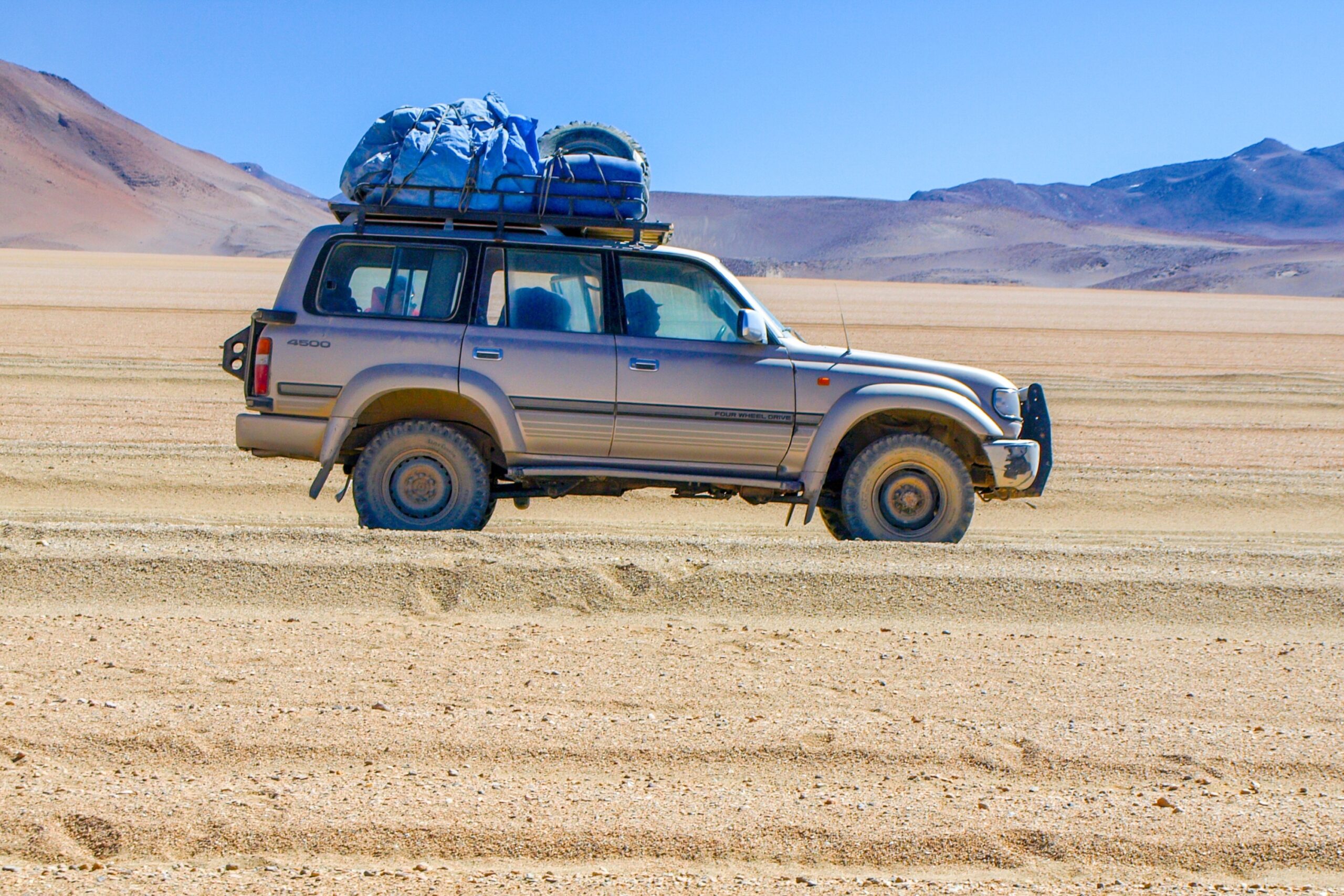
You’ve heard the pitch. Up-to-date safety tech, no one’s thrashed it before you, and you get to choose the spec rather than take whatever’s on the lot. There’s none of that “what’s this thing been through?” worry either.
A manufacturer’s warranty usually comes with it, but read the fine print. Modifications, and the way you use the vehicle, can affect your cover depending on the manufacturer, so think about what a bull bar, winch or roof tent might do to it before you bolt them on.
Cost is the catch, and I don’t only mean the price on the windscreen. Accessories, insurance and servicing all pile on, and depreciation takes its biggest bite in the first few years. Ask about delivery times too, and make sure the model you want really has the towing capacity you need.
Why Buy Used?
Simple: you’d rather put your money into the trip. A used 4WD has often already copped the worst of its depreciation, though that depends on age, condition and kilometres. The savings can go towards roof racks, camping gear or recovery equipment, or stay in the bank for the day something breaks (and something usually does).
There’s an upside plenty of people overlook. The Prado, Pajero and Everest, all popular touring models, have been owned and reviewed for years. Spend a bit of time reading online and you’ll know what tends to go wrong before you hand over any cash.
That said, it can be a gamble if you aren’t careful. A 4WD can look immaculate and still be hiding mechanical trouble, accident damage or a rough life off-road. Nobody wants to be stuck on a dirt track with a dud diff.
How Do You Check a Used 4WD?
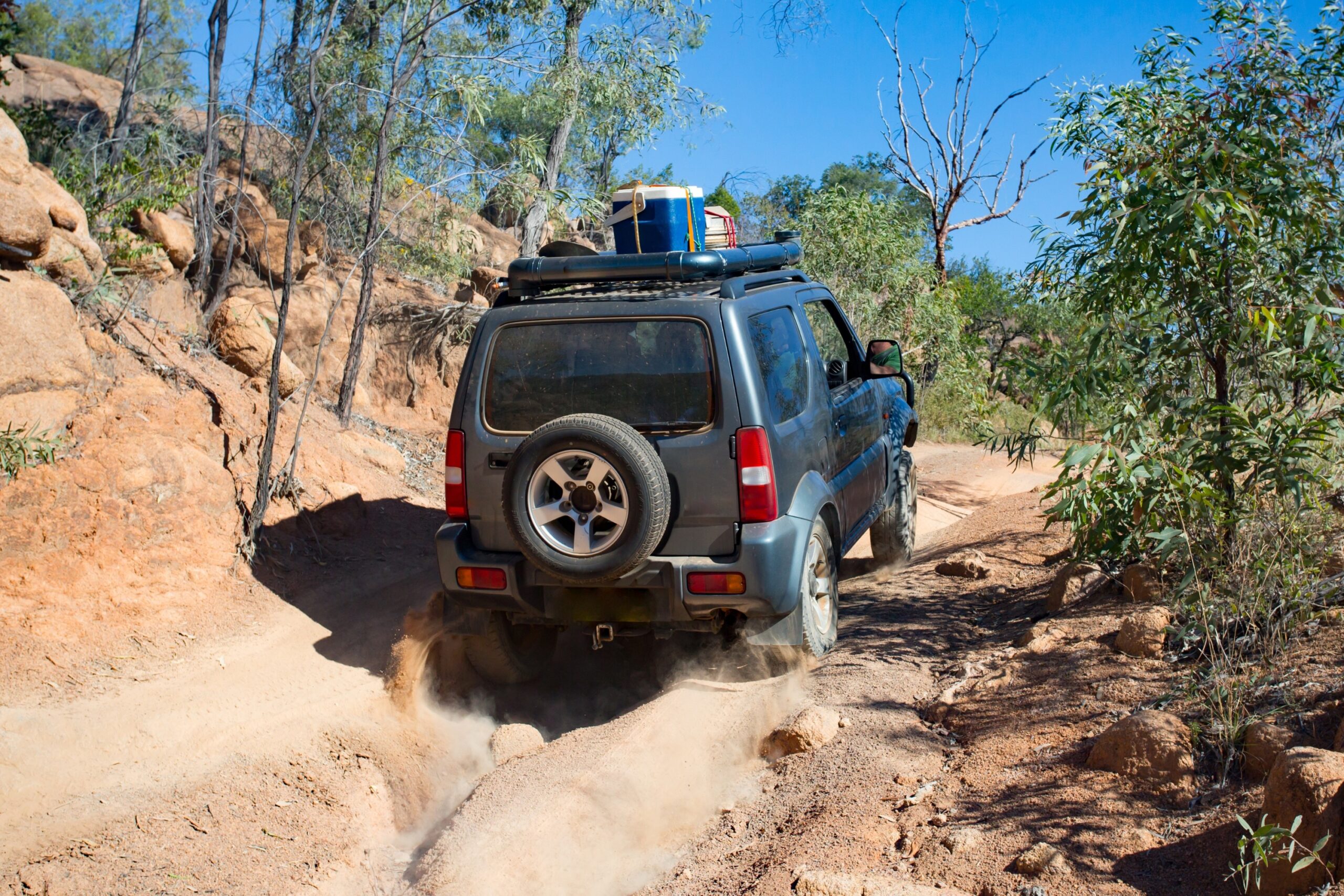
Don’t trust the paint. Touring vehicles tend to have a harder life than the average family car.
Start by getting underneath. Look hard at the chassis and sills for rust, dents and old repairs. Then have a sniff around the cabin and engine bay, because a damp smell or corrosion could mean it’s been through deep water. Ask the seller about the service history for the drivetrain, gearbox and turbo (if there is one).
When you take it for a drive, listen for odd noises and pay attention to how it feels. Does it handle properly? Is there a vibration you can’t explain? Those things matter more than people think.
Ask about any aftermarket gear too. What’s been fitted, who put it on, and does it comply with the relevant requirements?
Last of all, pay for an independent pre-purchase inspection and go through the service records. A cheap price is no bargain if a big repair bill is waiting around the corner.
Don’t Skip the PPSR Search
A car can be perfect, and you can love it, and it still might not be the seller’s to sell.
The Australian Government’s Personal Property Securities Register (PPSR) recommends searching a used vehicle before you buy it, especially from a private seller. A search can show if there’s a registered security interest. That matters, because the vehicle could be repossessed if the previous owner still owes money on it. It may also show whether it’s been reported stolen or written off.
A search doesn’t replace an inspection, and it won’t give you the full history, so treat it as one check among several. Use the right VIN or chassis number, and you can run the search through the official PPSR used vehicle search service.
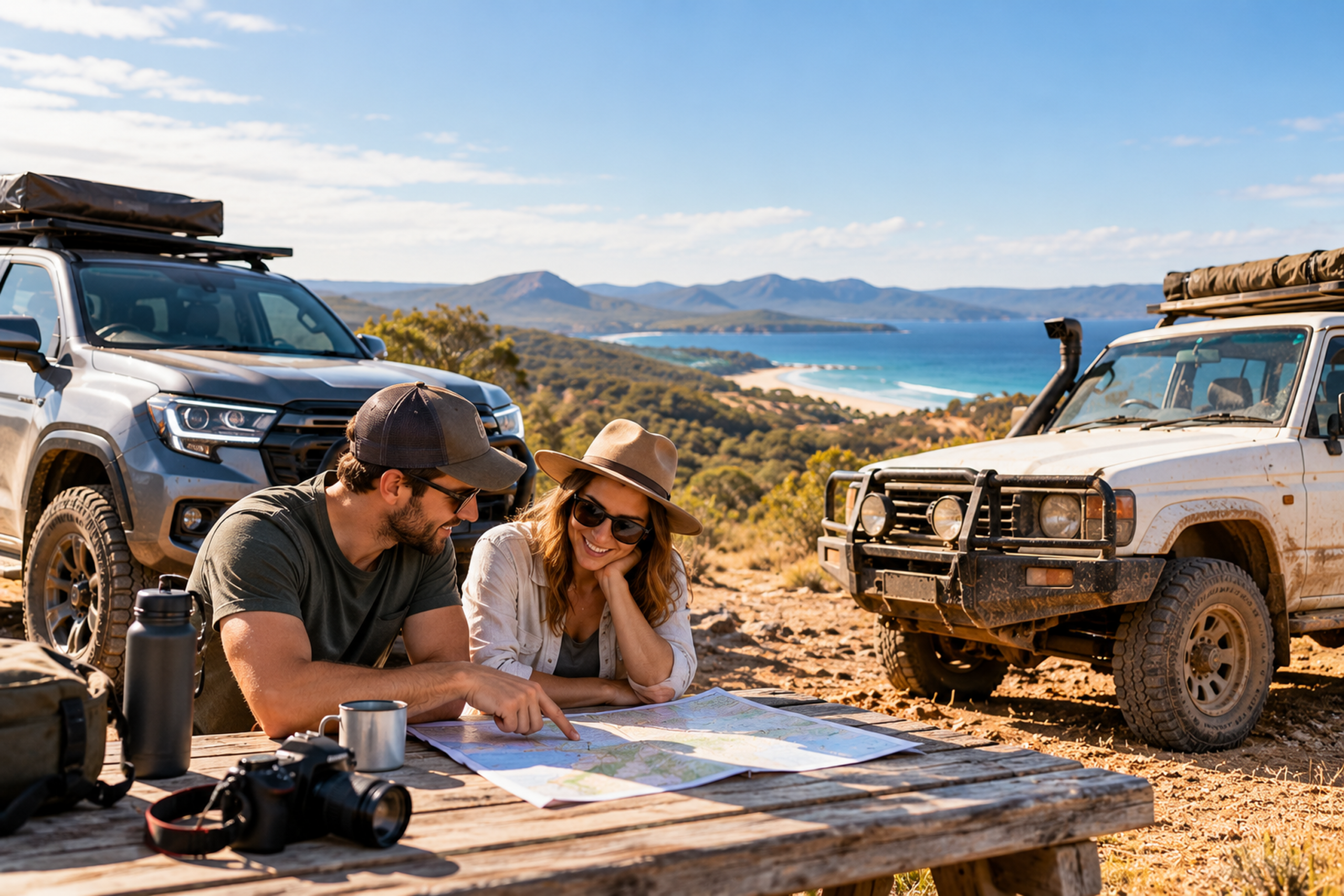
New vs Used 4WD at a Glance
| Feature | New 4WD | Used 4WD |
| Upfront cost | Usually higher | Usually lower |
| Warranty | Manufacturer’s warranty; terms vary | May have remaining cover or none |
| Depreciation | Can be significant in the early years | Some may already have happened |
| Vehicle history | Known from new | Needs checking |
| Specification | More choice when ordering | Limited to what’s available |
| Main consideration | Higher cost and possible delivery wait | Hidden wear, damage or past modifications |
What Does It Really Cost?
The purchase price is only the beginning. Fuel disappears fast over big distances or when you’re towing, and how much you burn comes down to the terrain, your load and how heavy your foot is. Insurance and registration vary with the vehicle and your situation. Older vehicles often need more servicing and repairs, but newer ones can be pricey to service too.
Then there’s the gear. Tyres, roof racks, recovery equipment. It adds up more than you’d expect, and chances are you’ll want a fair bit of it before the first trip. Think about what the vehicle could be worth when you sell it, and put some money away for the unexpected, whether that’s a repair, a callout or a trip that goes sideways.
Do the sums properly and you’ll know what you can afford, with something left over for the adventure itself.
What About a Loan?
If paying cash would wipe out your savings, finance is worth a look. A used car loan is one option for a pre-owned touring vehicle, although eligibility and interest rates depend on the lender and your own situation.
Try not to fixate on the monthly repayment. Look at the deposit, interest rate, comparison rate, fees and term as well. A longer term can bring the repayment down, but all else being equal you’ll pay more interest overall. Make sure it still works once fuel, insurance and maintenance are in the picture.
Before You Sign
Once you’ve narrowed it down, run through this list:
- Book a professional mechanical inspection, especially on a used 4WD.
- Go through the service history and look for signs of off-road damage.
- Confirm towing capacity and payload if you’re taking a caravan or heavy gear.
- Check the VIN and do a PPSR search when buying used.
- Test drive it on roads like the ones you’ll actually use.
- Get insurance quotes and estimate your running costs.
And if you’re heading somewhere remote, think about whether it can carry the spare tyres, water, fuel and recovery gear you’ll need. Check current track conditions, and whether your vehicle suits the route, before you leave.
So, New or Used?
New suits you if you want a warranty, modern features and a known history. Used suits you if you’d rather keep the purchase price low and have money left for touring gear and the trip itself.
Work out where you want to go, what the vehicle has to do and what it’ll cost to own. Once you know what you can comfortably afford, the choice gets a lot easier.
The best touring vehicle isn’t always the newest or the most expensive. It’s the one that gets you there and back safely, without stretching your finances too far.


Be the first to comment