
A well-maintained pool salt system helps keep water clean while reducing the need to handle chlorine manually. A salt water pool chlorinator cell converts dissolved salt into chlorine as water passes through the salt cell, helping maintain suitable sanitiser levels.
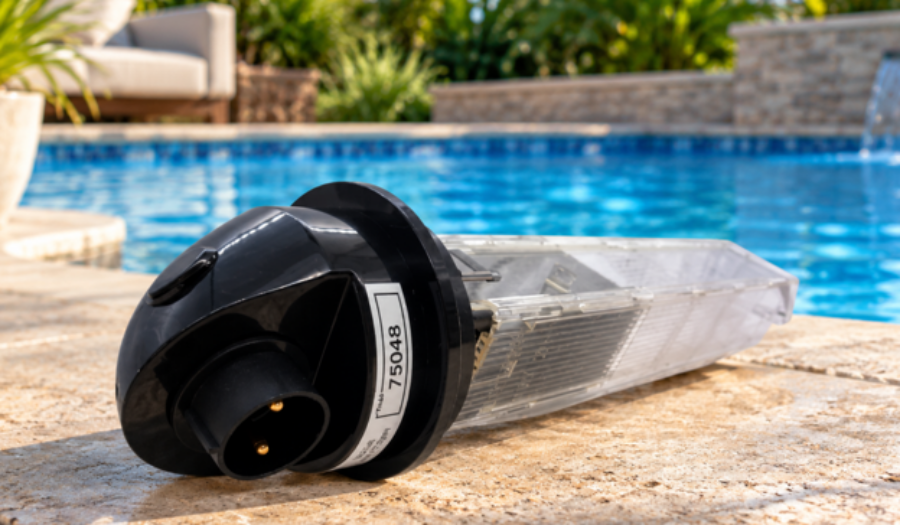
Regular maintenance can reduce scale buildup, support consistent chlorine production and extend the cell’s service life. Knowing when cleaning, water testing or salt cell replacement is needed can prevent performance issues and keep the pool running efficiently.
Why Is Salt System Maintenance Important?
Salt systems still require regular maintenance, even though they automate chlorine production. Poor water balance, calcium deposits and restricted water flow can place additional pressure on the salt cell and affect its performance.
Routine checks make it easier to identify problems before they become more expensive repairs. Keeping the water balanced and the filtration system operating correctly also helps the chlorinator produce chlorine consistently. Proper installation also plays a role in how well the system performs over time.
How to Maintain Your Pool Salt System
Check Salt Levels Regularly
The right salt level is essential for effective chlorine production. Check the salt concentration regularly and keep it within the range specified by the chlorinator manufacturer. If the level is too low, the salt cell may not produce enough chlorine, while excessively high levels can affect the system and water balance. Testing the water periodically helps maintain the correct concentration and keeps the chlorinator operating as intended.
Keep Pool Water Chemistry Balanced
Water chemistry has a direct effect on salt cell performance. Regularly test pH, alkalinity, chlorine and other relevant levels to keep the water within the specified range.
High pH and calcium levels can encourage scale formation on the cell plates. Maintaining balanced water reduces this buildup and supports more consistent chlorination.
Inspect the Salt Cell for Buildup
Calcium deposits can gradually collect on the salt cell, particularly when the pool water has high calcium levels, or the chemistry is not properly balanced. A layer of white, chalky buildup on the cell plates can reduce chlorine production and affect the system’s performance.
Inspect the cell regularly for visible deposits, corrosion or signs of damage. Catching buildup early makes it easier to clean the cell when needed and helps prevent unnecessary strain on the chlorinator.
Clean the Salt Cell When Necessary
Clean the salt cell when calcium deposits or other buildup become visible. Before cleaning, switch off the chlorinator and follow the cleaning instructions provided by the manufacturer. Avoid using sharp tools or abrasive materials, as these can damage the cell plates.
Regular inspection and careful cleaning can help maintain chlorine production and prevent unnecessary wear on the cell.
Maintain Proper Water Flow and Filtration
Good water circulation allows the salt cell to operate as intended. Keep the pool filter clean, check the pump regularly and make sure skimmer baskets are free from debris.
Restricted flow can affect chlorinator operation and may trigger system warnings. Keeping the filtration system in good condition helps water pass through the cell at the required rate.
Adjust Chlorinator Output and Run Time
The chlorinator output should match the pool’s chlorine demand. Factors such as water temperature, pool usage, sunlight and weather can influence how much chlorine is required.
Avoid running the chlorinator at maximum output when it is not necessary. Adjusting the output and operating time according to the pool’s needs can reduce unnecessary cell wear while maintaining suitable chlorine levels.
How Does Maintenance Help Extend Salt Cell Life?
Regular maintenance helps reduce wear on the salt cell and can extend its service life. Some of the main benefits include:
- Minimises scale formation: Balanced water chemistry helps reduce calcium deposits on the cell.
- Supports consistent chlorine production: A clean cell can generate chlorine more effectively.
- Prevents unnecessary system strain: Correct salt levels and water flow help the equipment operate within its intended conditions.
- Keeps water circulation efficient: Clean filters and good water flow help keep the chlorinator operating efficiently.
- Helps detect issues early: Regular inspections can help identify buildup, damage or other issues early.
- Delays premature cell replacement: Proper care may help the cell reach its expected service life before replacement becomes necessary.
When Should You Consider Salt Cell Replacement?
Even with regular maintenance, a salt cell will eventually reach the end of its service life. Certain signs can show that the cell is no longer performing as it should and may need to be replaced.
Visible Cell Damage
Cracks, damaged plates or other signs of physical wear can affect chlorine production. If the cell is visibly damaged, cleaning may not resolve the issue, and a new cell may be required to restore reliable performance.
Excessive Calcium Buildup
Heavy or recurring scale can interfere with chlorine production. If deposits return quickly even after maintaining balanced water and cleaning the cell, it may be a sign that the cell is becoming less effective and may need to be replaced.
Frequent Cell Errors
Repeated warning messages or error codes can point to an issue with the salt cell or another part of the chlorination system. Check the manufacturer’s troubleshooting instructions first to identify the cause and determine whether the cell needs attention
Low Chlorine Levels
If chlorine remains low despite the correct salt level and balanced water chemistry and sufficient chlorinator run time, the salt cell may no longer be producing enough chlorine. Checking the system and cell can help determine whether the issue is related to the cell or another part of the pool system.
End of Cell Life
Salt cells have a limited operating life and will eventually need to be replaced. If the cell has reached the service period specified by the manufacturer and its chlorine production has declined, installing a compatible replacement may be necessary. Consulting experienced pool builders in Bendigo can help ensure the new salt cell is correctly installed and works with the existing chlorination system.
Conclusion
Maintaining a pool salt system involves more than checking the salt level. Regular water testing, cell inspections, appropriate cleaning, good filtration and suitable chlorinator settings all contribute to reliable operation. These steps can reduce scale buildup and unnecessary wear while helping the salt cell perform for longer. When the cell becomes damaged, produces insufficient chlorine or reaches the end of its expected life, timely salt cell replacement can restore reliable chlorine production.
Frequently Asked Questions
What salt level should a pool chlorinator have?
The correct salt level depends on the chlorinator model. Always follow the manufacturer’s specified range rather than using a general target.
Can cleaning extend the life of a salt cell?
Yes. Regular cleaning can remove calcium buildup and help the salt cell operate effectively for longer. Avoid over-cleaning, as this can damage the cell.
How long does a salt cell usually last?
A salt cell commonly lasts several years, but its service life varies depending on water chemistry, operating hours, cleaning practices and the specific model.
How to maintain a saltwater pool system?
Check salt levels regularly, keep the water chemistry balanced, inspect and clean the salt cell when needed, and maintain good pump and filter performance. Adjusting the chlorinator output and run time can also help maintain consistent chlorine levels.
How often should a salt cell be cleaned?
A salt cell should be inspected regularly and cleaned when calcium buildup is visible. The exact cleaning frequency depends on water chemistry, usage and the manufacturer’s instructions.
Be the first to comment