
Car Repairs – Have you ever wondered why one person gets their car back from the mechanic within a day or two, while another ends up waiting weeks for what initially seemed like a similar problem? It can feel like bad luck, but there are usually practical reasons behind the difference.
In this post, we will discuss five factors that affect how long car repair times can be, so you know what to expect and what to ask the next time you book.
Finding the Actual Cause of the Problem
Before anything gets fixed, the mechanic has to work out what is really wrong. Swapping a part is often quick. Tracking down why that part failed can take much longer, especially with faults that come and go or only show up at certain speeds or temperatures.
A proper diagnosis usually means scanning for fault codes, checking fluids and wiring, road testing the car and sometimes partly dismantling components. It can feel slow, but skipping this step can lead to the wrong part being replaced and the same problem returning a week later.
Whether the Job Needs Specialist Work
A routine job like replacing brake pads or a battery follows a familiar process, and the parts are usually on the shelf. Specialist work needs particular skills, equipment and often parts made for one specific model.
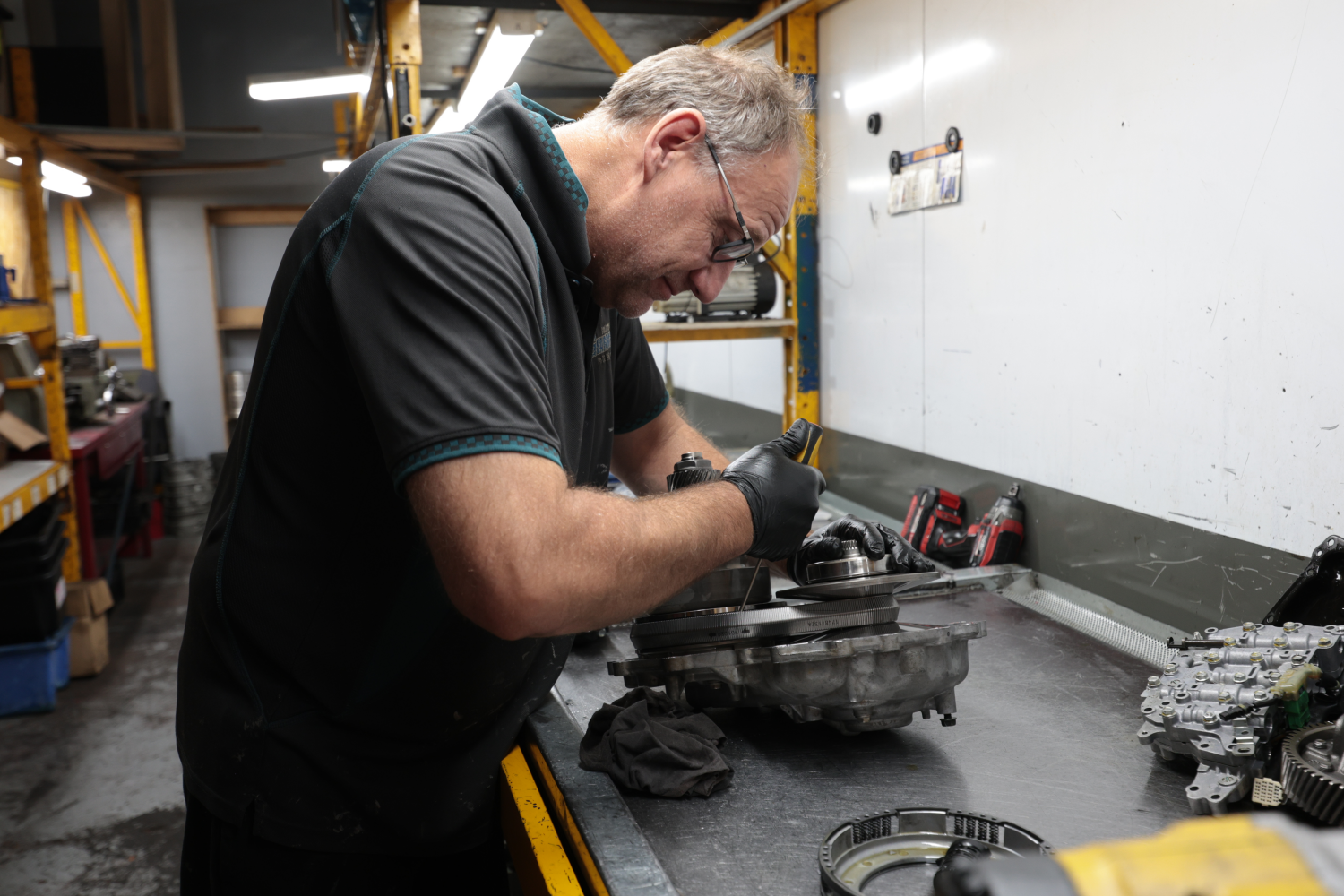
Transmission problems are a good example. A mechanic may first need to find out whether the fault sits in the transmission itself, the fluid, the torque converter (the part that passes power from the engine to the gearbox) or the electronics that control gear changes. Cars with a CVT or dual-clutch gearbox add another layer, because these systems work quite differently from a conventional automatic. A minor service issue may be finished quickly, while a more involved automatic transmission repair can involve diagnosis, dismantling, sourcing components, rebuilding and testing before the car is ready for the road.
Your Car’s Make, Model and Age
This is where your car’s build makes the biggest difference. Parts for popular models are often stocked locally and can arrive the same day or the next. Older vehicles, imported models and cars sold in small numbers in Australia can be harder to source, as fewer suppliers keep their parts on hand.
Parts availability has also become a growing concern in Australia. In September 2026, ABC News reported on vehicles spending weeks or even months in smash repair workshops while replacement components were sourced. Accident repairs are different from mechanical work, but the same problem applies to both, because a workshop cannot finish a job until the right parts arrive. A part might be out of stock, on backorder with the manufacturer, or only available interstate or overseas. Australia imports a large share of its replacement parts, so global shipping disruptions can reach local workshops as well.
How Far the Parts Have to Travel
When replacement car parts are not available nearby, transport becomes part of the repair timeline.
Small items can travel by courier, but larger components such as engines or gearboxes may need palletised freight. For workshops and suppliers moving bulky parts between cities, getting the right freight quote and booking a suitable transport method can make a real difference to how soon the part arrives.
Workshop Capacity, Approvals and Final Testing
Even with the parts in hand, a few more things can affect when you get your car back. Here’s what might cause this difference:
- Workshop Capacity: Workshops have only so many hoists and technicians. If your car needs someone with specialist training, it may have to wait until that person is free. Busy periods, such as the weeks before school holidays, can stretch booking times. And this is often the case for workshops around Sydney.
- Warranty and Insurance Approvals: If the repair is covered by a warranty or an insurance claim, the workshop may need approval before ordering parts or starting work. Sending reports and waiting for a reply adds time that sits outside the workshop’s control. Keep in mind that smash repair delays are usually reported separately from mechanical repairs. As crash work involves its own approvals, panel and paint stages, so those timeframes are not a fair guide for a mechanical job.
- Testing After the Repair: Once the work is done, the car still needs checking. This might include a road test, a scan to confirm no faults remain. Or calibration of sensors and driver-assist systems. These checks make sure the car leaves the workshop with the problem fully sorted.
Realistic Timeframes Matter
A workshop that gives you an honest estimate, even if it is longer than you hoped. Is usually more helpful than one that promises a quick turnaround it cannot meet. Under Australian Consumer Law, when no timeframe is agreed, a service should be provided within a reasonable time. And factors like parts availability can be part of what counts as reasonable. Good communication along the way. Especially when a delay comes up, makes a stressful situation easier to manage.
So, when you book your car for repairs, ask the workshop how long the initial diagnosis is likely to take. Whether the required parts are available locally. And whether any specialist work or outside approvals may be needed. It’s also wise to ask when you can expect an update if the repair takes longer than planned. A little clarity upfront can make it much easier to organise your routine while your vehicle is off the road.



Be the first to comment