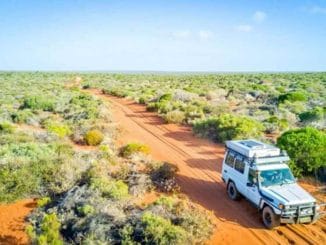
Ask anyone who has done the Big Lap what surprised them most and the answer is rarely the corrugations or the fuel prices. It is how many fellow travellers they met who were earning as they went.
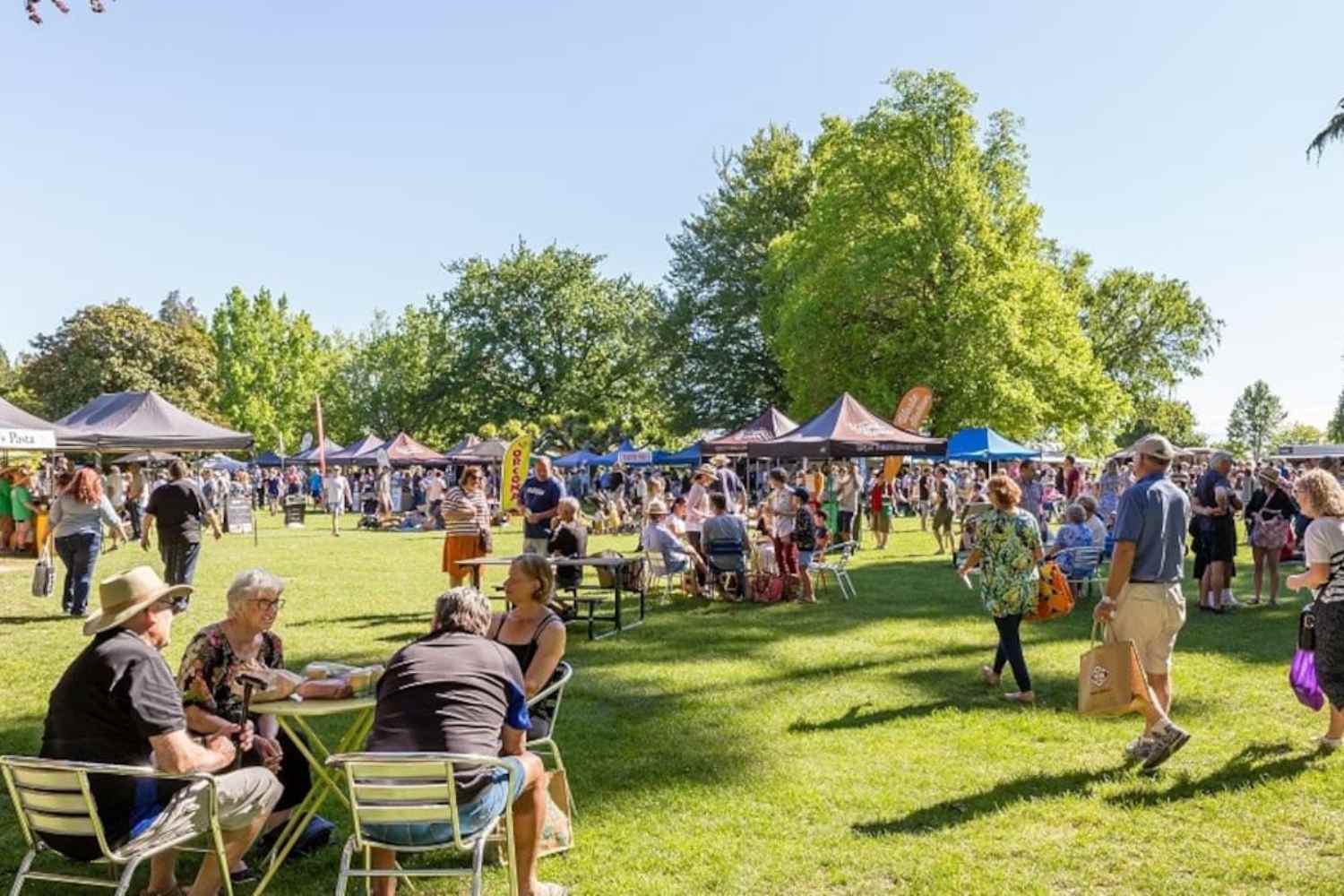
At almost every regional market around the country you will find a stall run out of a caravan, a camper trailer or the back of a LandCruiser: travel photography prints, leather work, honey picked up wholesale a state ago, coffee from a van, hand-poured candles made at camp.
Market selling suits the travelling life better than almost any other side income. You carry your stock with you, you work weekends and travel weekdays, and every new town is a new set of customers who have never seen your product before. Here is a practical look at how travellers make it work, and what to sort out before you set up your first table.
Why markets and travellers are a natural fit
A market stall asks very little of you in fixed costs. There is no lease, no staff and no long commitment. Most community markets charge a modest site fee for a casual stall, and many regional markets are hungry for new stallholders because the same local faces appear month after month. A traveller with something different to sell is often exactly what the organiser wants.
The rhythm works too. Markets cluster on weekends, which leaves the week free for driving, sightseeing and restocking. Plenty of travelling couples plan their route from one market town to the next: a Saturday morning market in one shire, a Sunday market two hours up the highway, then five days of freedom before the next one.
What actually sells on the road
The stalls that do well tend to fall into a few categories:
- Things you make as you travel. Photography prints of the places you have just been, jewellery, woodwork, candles and soaps. Low weight, high margin, and the story of where it was made is part of the product.
- Things you consume on site. Coffee is the classic. A compact van setup near the market entrance can out-earn every craft stall in the row, though it comes with food handling requirements.
- Things you buy well and sell better. Some travellers buy from producers along their route, wholesale, and resell at markets further on where the product is a novelty.
What does not sell is anything the town already has in abundance. A quick walk through a market before committing to a site tells you more than any amount of planning from the passenger seat.
The paperwork to sort first
None of this is onerous, but it does need doing before you trade rather than after:
- Stallholder insurance. Almost every organised market requires public liability cover before you can book a site. Annual stallholder policies exist for exactly this, and cost far less than insuring a shopfront.
- An ABN. If you are running a business rather than clearing out the garage, you need one, and market organisers increasingly ask for it on the booking form.
- Food registrations. Anything edible or drinkable brings council food business registration into play, and requirements differ between states and even between shires. Check with the council that covers each market before you book, not after.
- The market’s own rules. Every market has its own application, and the good ones are selective. Read the stallholder pack properly. Some cap the number of stalls per category, which can work in your favour once you are in.
Looking like a business, not a boot sale
Here is the part travelling sellers most often get wrong. The product might be excellent, but a trestle table with a bedsheet over it and a handwritten cardboard sign reads as a garage sale, and shoppers price it accordingly.
The fix is cheap and packs flat. A pull-up banner with your name and what you sell turns an anonymous table into a recognisable stall, and it stows in a tube that slides beside a caravan bed or behind a ute seat. Add printed business cards so the couple who loved your work but did not want to carry it around the market can find you online that night. For a travelling seller cards matter more than for a fixed shop: your customers know you will be three towns away by Tuesday, so the card is the only way the sale happens later.
Presentation is also what separates the stalls organisers invite back. Market coordinators photograph their best-looking stalls for their own promotion, and the stall with proper signage is the one that ends up on the market’s social media, which is free advertising you did not have to do.
Living with your stock
Space is the tax every travelling seller pays. A few hard rules from people who have done it:
- Choose products that nest, stack or pack flat. Framed prints are a nightmare; prints in tubes and flat-packed frames are not.
- Weigh everything. Stock, tables, gazebo and water all count toward your rig’s payload, and an overloaded van is both illegal and dangerous. If you are already close to your limits, this matters more than any sales plan.
- Restock along the route rather than carrying months of inventory. Australia Post holds parcels at post offices nationwide, which effectively gives you a warehouse in every town.
Building a circuit
The travellers who make consistent money treat the calendar as seriously as the map. Northern markets peak in the dry season when the tourist population multiplies; southern coastal markets peak over summer school holidays. Timed well, a lap of the country can put you at busy markets almost year round, following the same broad route the weather already suggests.
Book ahead for the famous markets, as the well-known tourist markets can have waiting lists in peak season, and have a shortlist of smaller community markets as fallbacks. The small ones charge less, and in the right town a small market with no competition in your category beats a big one with three stalls selling the same thing.
An honest word on the money
Nobody should set off expecting a market stall to fund diesel, sites and repairs from week one. Weather cancels markets, some towns are quiet, and it takes a few outings to learn what sells and how to price it. Treat the first month as paid market research. What a stall reliably does is stretch the trip: a few hundred dollars on a weekend covers a week of travelling costs for most rigs, and for the organised sellers it becomes considerably more than that.
The Big Lap does not have to be a savings drawdown with an end date. For a growing number of travellers, the trip pays for some of itself, one market town at a time.